Whispers of the Ancients: Lost Races and Forgotten Wars in Montana’s Smith River Valley
Smith River’s Hidden Past
Running from the northwest to the southeast through Meagher County, the Smith River valley looks like a scenic slice of Montana, but its story stretches back far beyond written history. Long before it became known for the healing waters of White Sulphur Springs and a highway stop between Yellowstone and Glacier, this valley was a stage for forgotten peoples and untold wars.
Age-old legends say that secrets of “a thousand centuries” lie buried along the sparkling stream that hurries down from its cool ravines to join the Missouri on its way to the southern sea. Silent gray cliffs hang above groves of pine and fir, watching over grassy flats where prehistoric men lived out their lives, leaving only scattered clues to their victories, defeats, faith, and tragedies.
Fossils, Flint Mines, and Vanished Peoples
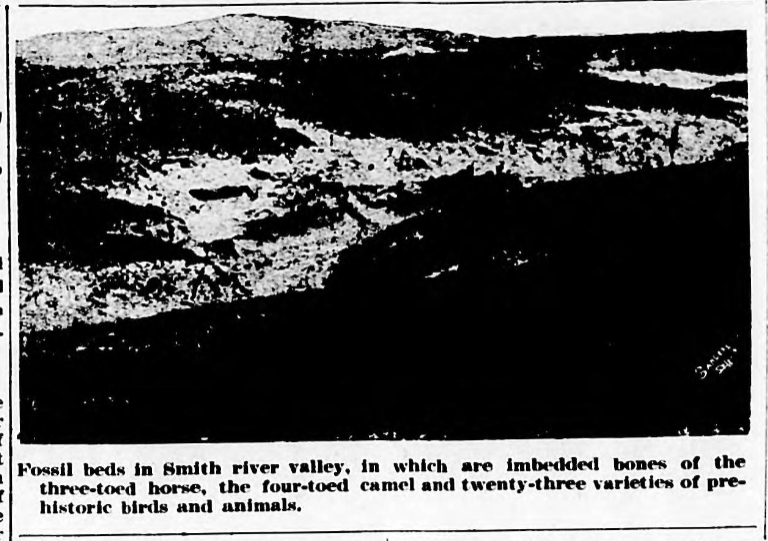
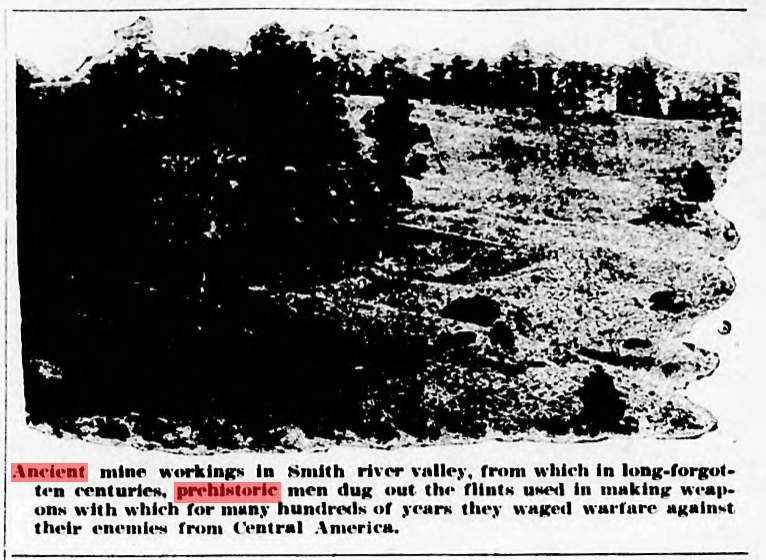
Fossil beds in the Smith River valley hold bones of the three-toed horse, the four-toed camel, and more than twenty kinds of prehistoric birds and animals, hinting at an ecosystem that vanished ages ago. Nearby, ancient mine workings mark the places where unknown miners once cut into the earth for flint and agate, raw material for weapons that would later decide the fate of entire tribes.
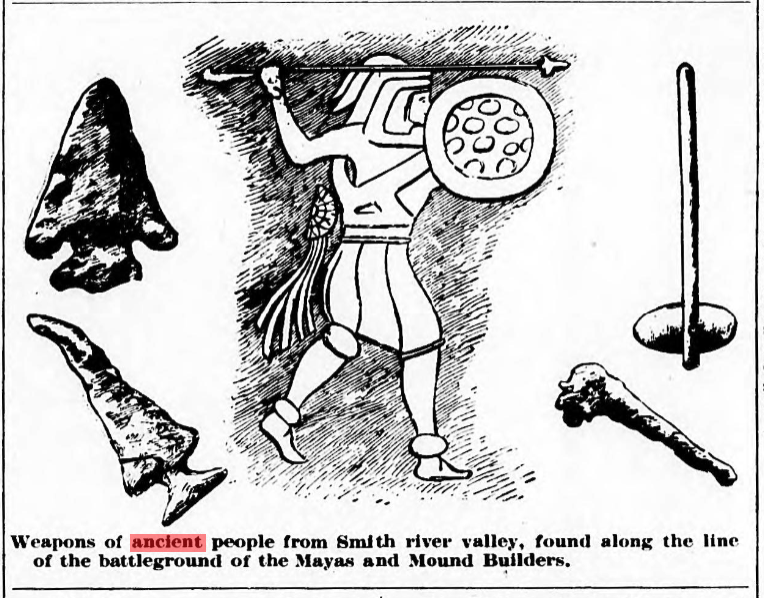
Decades ago, strange finds began to surface: old beads, unfamiliar pottery, fossilized bones, and piles of flint and agate arrow and spear points scattered along the valley floor. Investigators concluded that this basin had once been home to the Mound Builders, who came here to quarry their weapon stone—material that shows up anywhere their people later lived on the continent.
Beads from Yucatán and Echoes of Egypt
Among the artifacts, certain beads stood out: they matched the type made by the Mayas of Yucatán in Central America, a style otherwise known only from Yucatán and the ancient tombs of Egypt. This three-point trail—Smith River valley, Central America, and Egypt—fed a bold theory that the Mayas moved across a lost land bridge, Atlantis, which once linked the Old World and the New.
According to this idea, the Mayas traveled from their Central American centers to Egypt, then back again, carrying their bead-making craft and leaving traces of their presence in widely separated lands. The appearance of those same beads in a secluded Montana valley suggests that the Smith River basin sat on forgotten trade or migration routes that stretched far beyond the northern plains.
Mound Builders versus Mayas: A Forgotten War
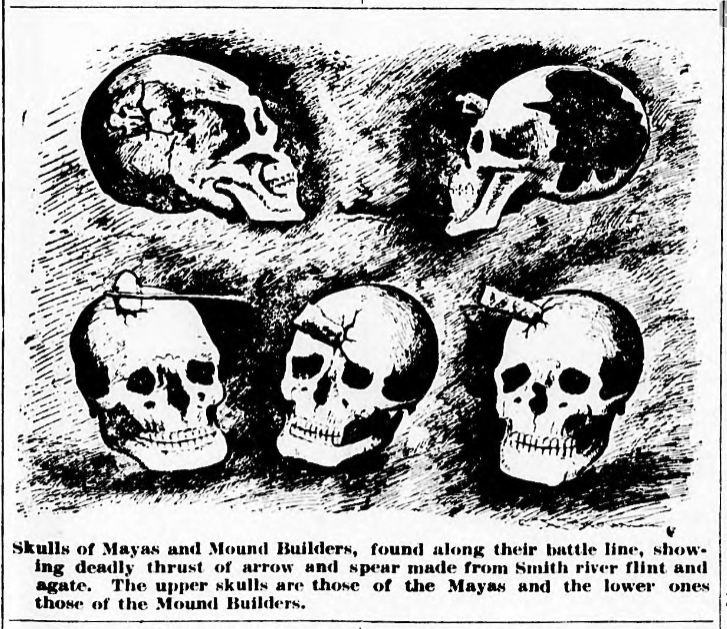
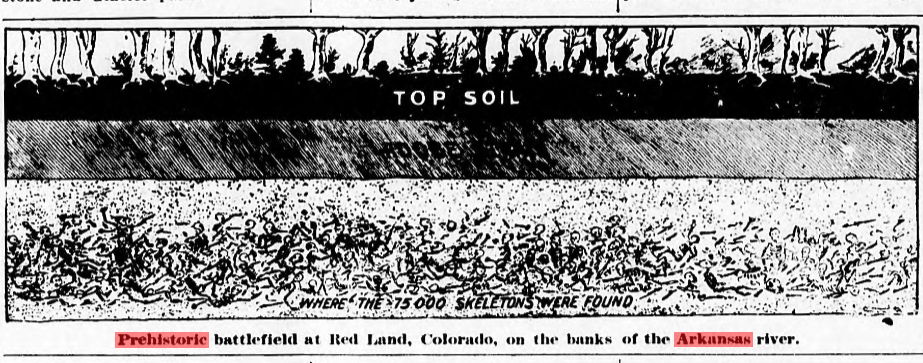
The Smith River flint and agate did not stay local; weapons made from this stone have been found along an ancient battle line that runs as far south as Red Land, Colorado, on the Arkansas River. Along that old battlefield, archaeologists uncovered skulls of both Mayas and Mound Builders, each marked with the deadly thrusts of arrows and spears chipped from Smith River stone.
These finds support the story of a long, bitter war between two prehistoric peoples—Mound Builders entrenched in their northern strongholds and Mayas pushing up from Central America. In this telling, the smiths of the Smith River valley supplied the blades, while the clash of rival civilizations played out hundreds of miles away in a struggle now remembered only through scattered bones and broken flint.
Land of the Spirit and Council of the Tribes
In more recent centuries, long before white settlers arrived, Native tribes knew the Smith River valley by a name that hints at its reputation: “The Land of the Spirit.” All tribes agreed to keep it a neutral ground, and no war parties were to stain its grassy flats with fresh blood.
One tradition says that a great council of western tribes was once held in this valley, a gathering where ancient grievances were laid aside under the watch of the gray cliffs and whispering pines. Today, as ranches, highways, and a resort town grow around the famed hot springs, the cliffs still look down, the fossil beds still sleep beneath the soil, and the old mine cuts continue to crumble—while questions about the valley’s long-forgotten races linger like a legend on the wind.
This blog post is a creative retelling of a historical newspaper article originally published as “Mystery and Legend of Long-Forgotten Races Who Lived Untold Centuries Ago Linger Over Smith River Valley” in Image 7 of The Ronan Pioneer (Ronan, Montana), September 22, 1922. Details, dialogue, and narrative flow have been adapted for modern readers, but the core storyline and setting remain rooted in that early twentieth-century account.
Source: https://www.loc.gov/resource/sn86075298/1922-09-22/ed-1/?dl=page&q=arkansas+ancient+prehistoric&sp=7&st=image
Gallery
Discussion (0)
Please sign in to join the discussion
No comments yet. Be the first to share your thoughts!