Where to Find the Ancient Writings of Palestine: Rediscovering Dr. Peters’ Reports
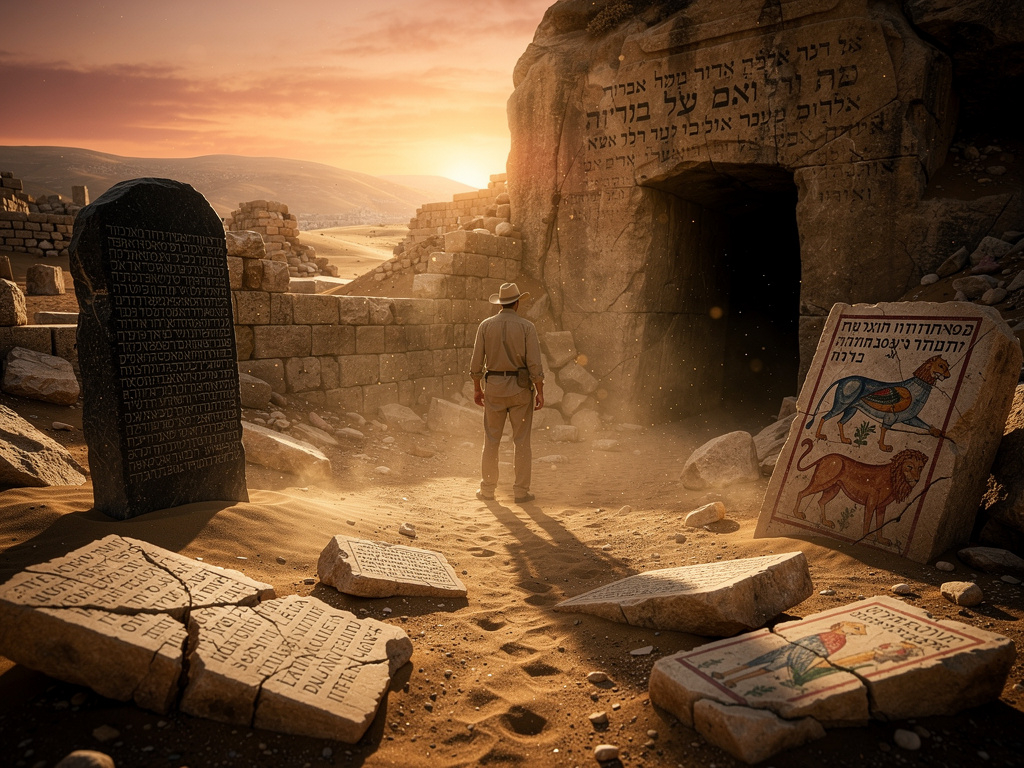
In the early 1900s, Rev. Dr. John P. Peters wrote from Jerusalem describing how surprisingly few inscriptions had been found in Palestine compared with Egypt, Babylonia, and Assyria, but he also pointed out several very specific sites where important texts and carved monuments had already come to light. His account is essentially a map of where to look for ancient writing in and around the Holy Land.
Major Inscription Finds in Palestine
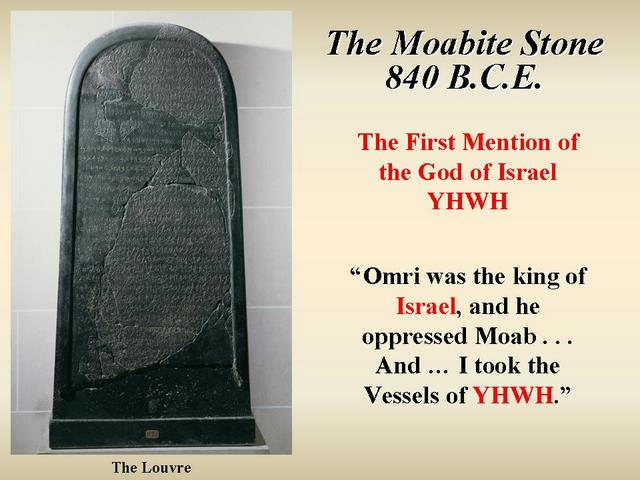
- Mesha Stele (Moabite Stone) – Dibon, Moab
- Who/What: Inscription of Mesha, king of Moab, a contemporary of Ahab of Israel and his sons (9th century B.C.).
- When Found: About 40 years before Peters’ article (discovered in the 1860s).
- Where: Ruins of ancient Dibon, in the fields of Moab (modern Dhiban in Jordan, east of the Dead Sea).
- Why It Matters: Confirms Moabite royal campaigns and gives an external reference to the “Omride” kingdom of Israel.
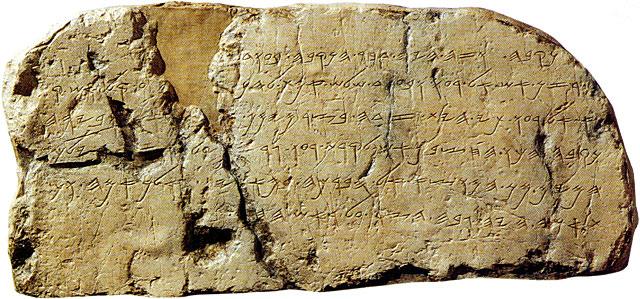
- Siloam Tunnel Inscription – Jerusalem
- Who/What: Hebrew inscription carved by the workmen who cut the rock aqueduct (Hezekiah’s Tunnel), commemorating the completion of the tunnel.
- When Found: Discovered by accident about 20 years before the article (late 19th century); probably dates to late 8th century B.C.
- Where: Inside the rock-cut water tunnel in Jerusalem, along the wall of the channel.
- Why It Matters: Direct first‑person record of an engineering project, with clear reference to the tunnel meeting point underground.
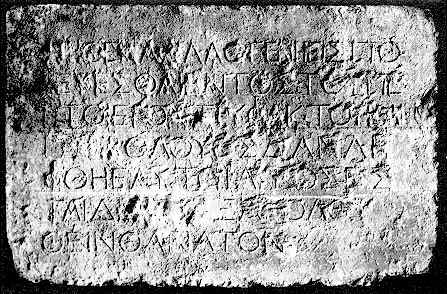
- Herodian Temple Warning Inscription – Jerusalem
- Who/What: Greek inscription from the barrier that separated the Court of the Gentiles from the Court of the Israelites in Herod’s Temple.
- When Found: Discovered by Clermont‑Ganneau, a French archaeologist, prior to Peters’ writing.
- Where: Reused as a tombstone in a Muslim graveyard in the Moslem quarter of Jerusalem.
- What It Says (Gist): Any non‑Israelite who passes beyond this barrier does so at the risk of his own life.
- Why It Matters: Confirms New Testament–period descriptions of temple boundaries and the death‑penalty rule for trespassers.
- Tel el‑Hesy (Lachish) Cuneiform Tablet – Between Hebron and Gaza
- Who/What: A single cuneiform tablet, apparently a letter from Egyptian suzerain Amenophis IV (Akhenaten) to the subject king of Lachish.
- When Found: In partial excavations by Dr. Bliss, late 19th century; historically tied to the 14th century B.C. Amarna period.
- Where: Mound of Tel el‑Hesy, identified with ancient Lachish, roughly halfway between Hebron and Gaza.
- Why It Matters: Shows Egypt–Canaan correspondence from the Amarna age and anchors Lachish within that diplomatic network.
- Miscellaneous Hebrew and Latin/Greek/Arabic Texts – Jerusalem and Region
- What:
- Hebrew seals.
- Jar handles stamped with royal potter marks in Hebrew.
- Funerary and votive inscriptions of the Tenth Roman Legion (post‑70 A.D. occupation of Jerusalem).
- Late Latin, Greek, Hebrew, and Arabic inscriptions on tombs, mosaics, synagogues, and buildings across the country.
- Where: Scattered in and around Jerusalem and throughout Palestine; many associated with known Roman and later sites.
- Why They Matter: They pinpoint units (like the Tenth Legion), family names, and religious dedications in specific locations.
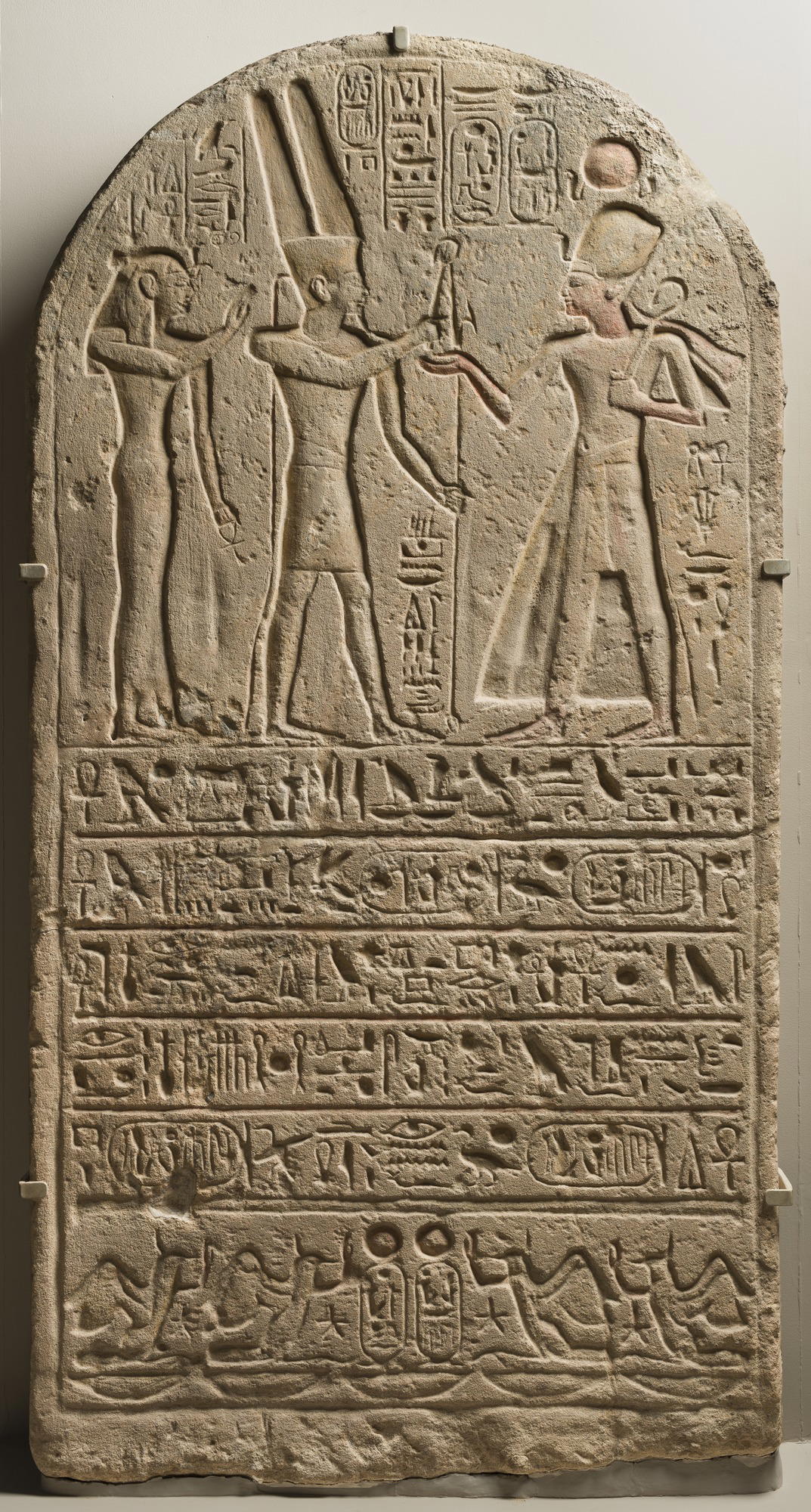
- Egyptian Stelae Just North‑East of Palestine – Hauran Mountains
- Who/What: Two Egyptian stelae of Seti I and Ramesses II.
- Where: In the Hauran mountains, just beyond the northeast border of historic Palestine (modern southern Syria).
- Why They Matter: Evidence of direct New Kingdom Egyptian presence and influence in the borderlands.
Painted Tombs and Inscriptions at Mareshah (Marissa)
One of the richest inscription‑bearing sites Peters highlights is ancient Mareshah/Marissa in the Shephelah, near modern Beit Jibrin.
- Site:
- Ancient Names: Mareshah (Old Testament), Marissa (Josephus).
- Where: Shephelah (low hill country) between Judea and the Philistine plain, near Beit‑Jibrin.
- Periods: Earlier home of the prophet Micah; later capital of Idumaea in the post‑exilic period.
- Discovery Context:
- Dr. Bliss’ excavations for the Palestine Exploration Fund drew local attention to the commercial value of antiquities.
- Natives then systematically hunted tombs, opening hundreds that formed the necropolis of ancient Marissa.
- Key Tombs with Inscriptions and Paintings:
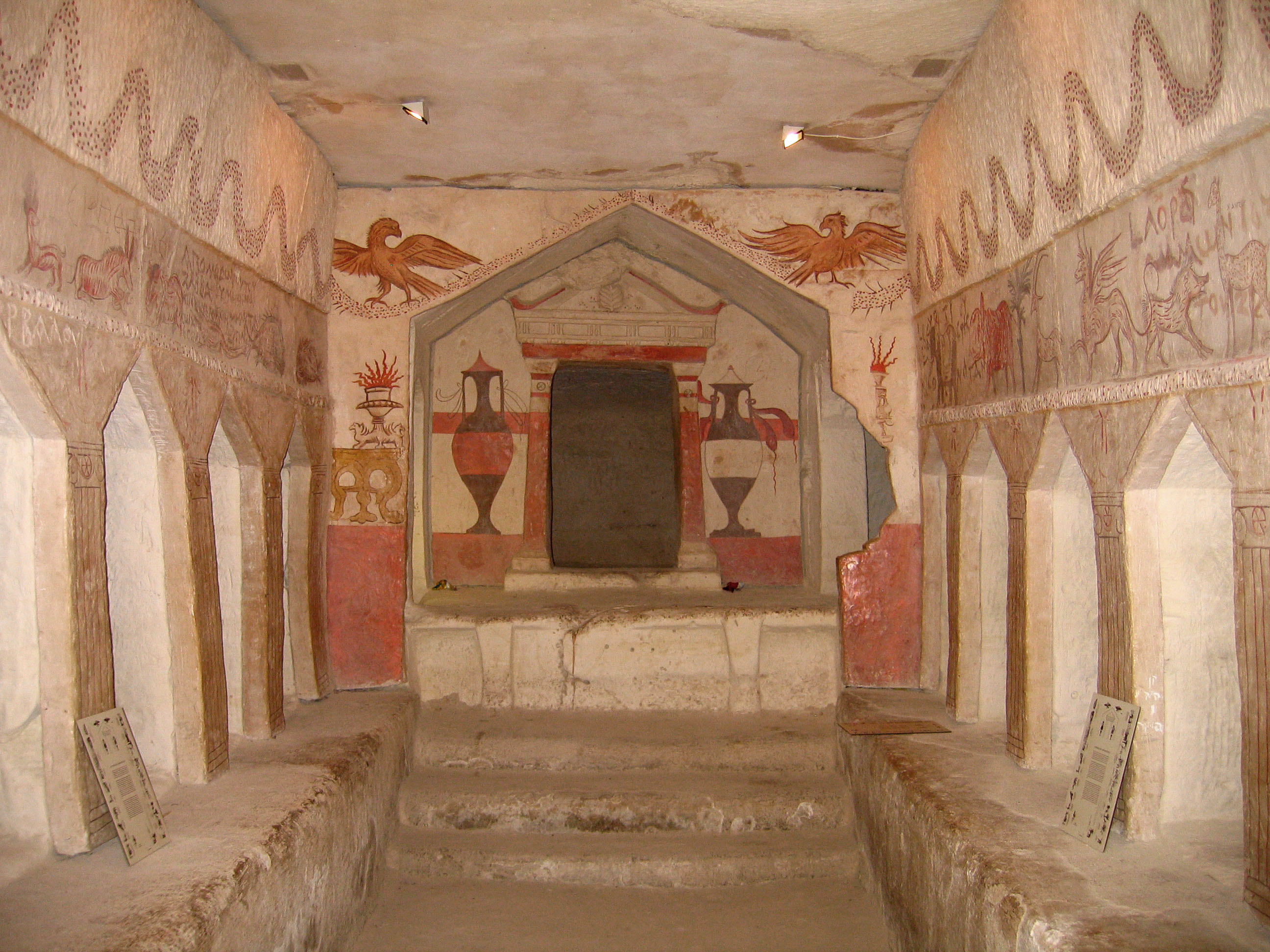
- Two Exceptional Rock‑Cut Tombs (Seleucid/Ptolemaic Period):
- Date: 3rd–2nd centuries B.C.
- Features: Painted interiors with inscriptions recording names and details of the deceased.
- One tomb identified by inscriptions as the tomb of the head of a Sidonian colony at Marissa.
- Layout: Three fine chambers for the heads of the family, plus two large rooms with space for about forty bodies.
- Decorative Program:
- One tomb with a frieze of numerous animals—some realistic, some fantastic—copied from illustrated natural histories now lost.
- Another tomb with graceful figure painting on stucco.
- Inscriptions provide dates spanning roughly six generations.
- Damage and Vandalism:
- Human faces scratched out as “haram” (forbidden) by the local sheikh, in line with Islamic aniconism.
- A small statue carved from the rock broken in pieces.
- Glass and pottery removed and sold to dealers in Jerusalem, then dispersed into private and museum collections worldwide.
The Megalithic Shrine and Infant Burials at Gezer
Gezer (Tell el‑Jezer), on the edge of the Philistine plain near the road from Jerusalem to Jaffa, is another key focus of Peters’ report.
- Excavations:
- Conducted by R. A. S. Macalister for the Palestine Exploration Fund.
- Goal: Systematic exploration of the entire mound, layer by layer.
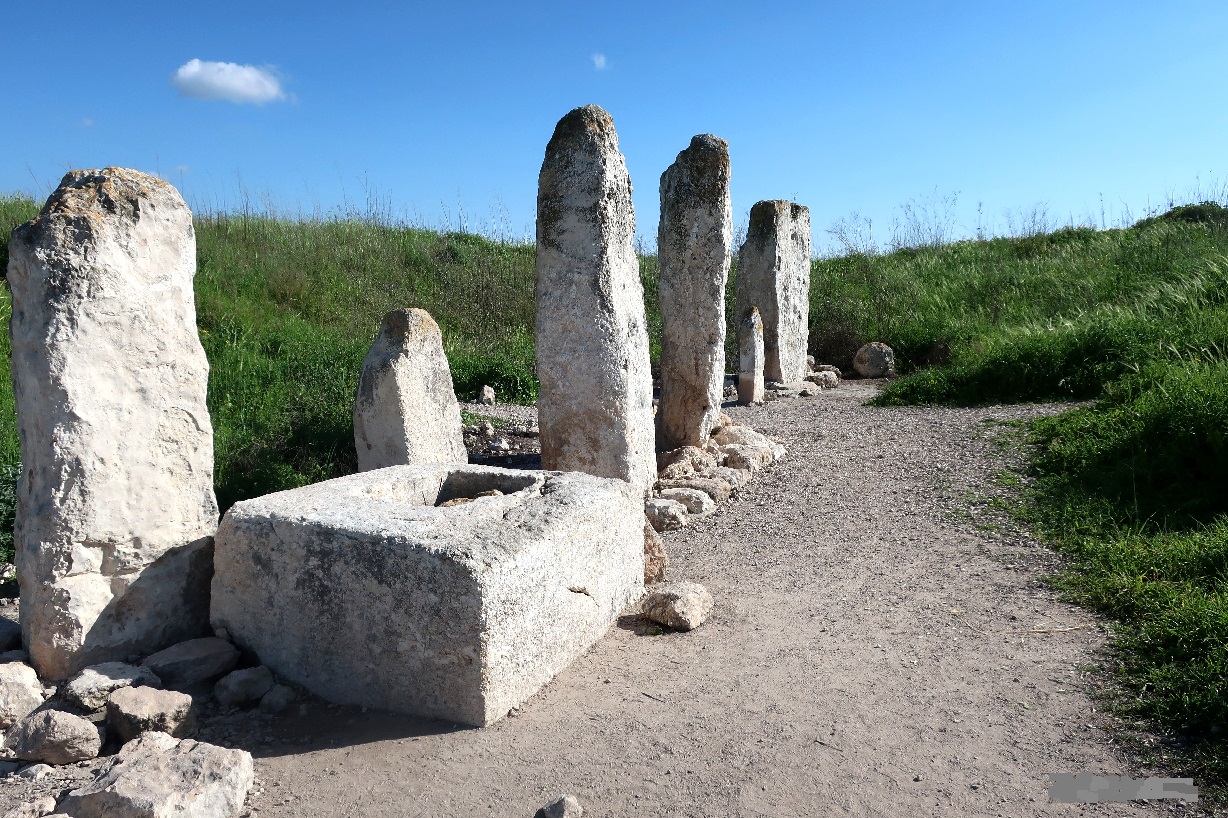
- Megalithic Sanctuary:
- Core Element: One central standing stone (~3+ feet high), of the type associated with nature worship.
- Later Additions:
- Two large monoliths (~12 feet high) raised on either side of the original stone.
- Additional stones of varied shapes, some columnar, some similar to the original sacred stone.
- Associated Features:
- A nearby cave evidently connected to the sanctuary, matching a common pattern in Palestine and Syria.
- Numerous small “nature emblems” carved from local limestone.
- Skeletons of infants buried in jars near the shrine.
- Interpretation: Likely remains of child sacrifice in Canaanite cult practice; similar infant burials were found at a rock‑cut altar at Ta’anuk.
- Dating and Use:
- Stratigraphy and associated objects suggest the shrine began as a place of worship earlier than 2000 B.C.
- It remained a sacred site through multiple cultural phases, extending beyond the Jewish exile.
- Even after Israelite occupation, the sanctuary appears to have continued under tolerated “heathen” rites until post‑exilic reforms.
- Gezer’s Historical Layers:
- Early cave‑dwelling population:
- Burned their dead, used stone tools, made very crude pottery, and had no copper.
- Later Semitic population (likely from Arabia, ca. 3000–2000 B.C.):
- Buried instead of burned their dead, introduced copper but still used stone tools.
- Traded with Egypt and the Aegean early in the 2nd millennium B.C., evidenced by scarabs and imported‑style pottery.
- “Dark Age” after barbarian invasions from north and south.
- Jewish occupation:
- More isolated, with largely native pottery and less external contact.
- Later phase:
- City destroyed and rebuilt; the megalithic temple ceases functioning as a sanctuary as Jewish monotheism fully dominates.
- Inscriptions at Gezer:
- At the time Peters wrote, Gezer had not yet yielded many inscriptions, but he considered it likely that clay tablets or other inscribed materials would eventually appear.
Clay Tablets and the Hunt for Written Archives
Peters emphasizes that while stone monuments in Palestine are rare, evidence suggests written archives on clay tablets once existed and may still be buried.
- Known Evidence:
- Tel el‑Amarna tablets from Egypt show that 14th‑century B.C. rulers in Palestine wrote diplomatic letters on clay tablets, just like Babylonia and Assyria.
- Jeremiah (7th century B.C.) refers to Jews writing business documents on clay and burying them, exactly the Babylonian practice.
- Only one clay tablet had been found in Palestine by Peters’ time: the letter from Amenophis IV to the king of Lachish at Tel el‑Hesy.
- Why This Matters for Modern Searchers:
- Clay tablets are almost indestructible; even broken, fragments survive.
- Given the textual evidence, there should be more archives in the ground, possibly at sites like Gezer, Lachish, Megiddo, and other major mounds.
The Multi‑Layer Mortuary Complex North of Jerusalem
At the end of his article, Peters describes a layered funerary complex discovered by German Roman Catholics just north of the Damascus Gate in Jerusalem.
- Monument Core:
- A huge rectangular stone, originally a sepulchral monument, surrounded by rock‑cut graves whose locations were marked by large stones.
- Later, this core stone became the center of a built monument, perhaps pyramidal, with finely cut limestone steps still in place.
- Christian/Moslem‑Period Chapel and Crypt:
- A chapel with a crypt was built adjoining the monument on the east.
- The crypt floor was divided into narrow graves separated by rubble and plaster walls, each filled with multiple bodies (up to ten per grave).
- When the floor graves were full, bodies were piled on top; in one corner bone piles reached about eight feet high.
- Associated objects show burials began no later than the 5th century A.D. and continued to the end of the Crusading period.
- Probable Identification:
- The site likely served as the mortuary chapel for a large hospice for pilgrims, known to stand in that vicinity after the Moslem conquest and probably earlier.
- The underlying stone monument represents one of the many sepulchral monuments Josephus mentions as surrounding Jerusalem in the 1st century A.D.
- The core grave may go back to the Hebrew period, with later structures repeatedly reusing and enclosing it.
How This Helps Modern Explorers
For a modern field‑minded audience, Peters’ piece gives a short list of high‑value inscription and tomb zones:
- Dhiban (Dibon, Moab) – Mesha Stele locality (east of the Dead Sea, Jordan).
- City of David/Siloam Tunnel, Jerusalem – Rock aqueduct with the Siloam inscription.
- Muslim quarter graveyard in Jerusalem – Former location of the Herodian Temple warning stone.
- Tel el‑Hesy (Lachish) – Cuneiform letter from Amenophis IV; potential for more tablets.
- Hauran Mountains (Syria) – Egyptian stelae of Seti I and Ramesses II.
- Mareshah/Marissa near Beit Jibrin (Shephelah) – Painted rock‑cut tombs with Greek/Phoenician‑era inscriptions.
- Gezer (Tell el‑Jezer) – Megalithic shrine with infant jar burials and a long occupation sequence; strong candidate for undiscovered inscriptions and tablets.
- Area north of Damascus Gate, Jerusalem – Multi‑period tomb/monument complex with deep funerary stratigraphy.
SOURCE: https://www.loc.gov/resource/sn82014635/1903-05-31/ed-1/?sp=16&q=Arkansas+tablet+discovered+inscriptions&r=-0.036,0.071,0.311,0.186,0
Gallery
Discussion (0)
Please sign in to join the discussion
No comments yet. Be the first to share your thoughts!