Unearthing Giants: The 30-Foot Skeleton Discovery in Mexico and Its Ties to Ancient Mysteries
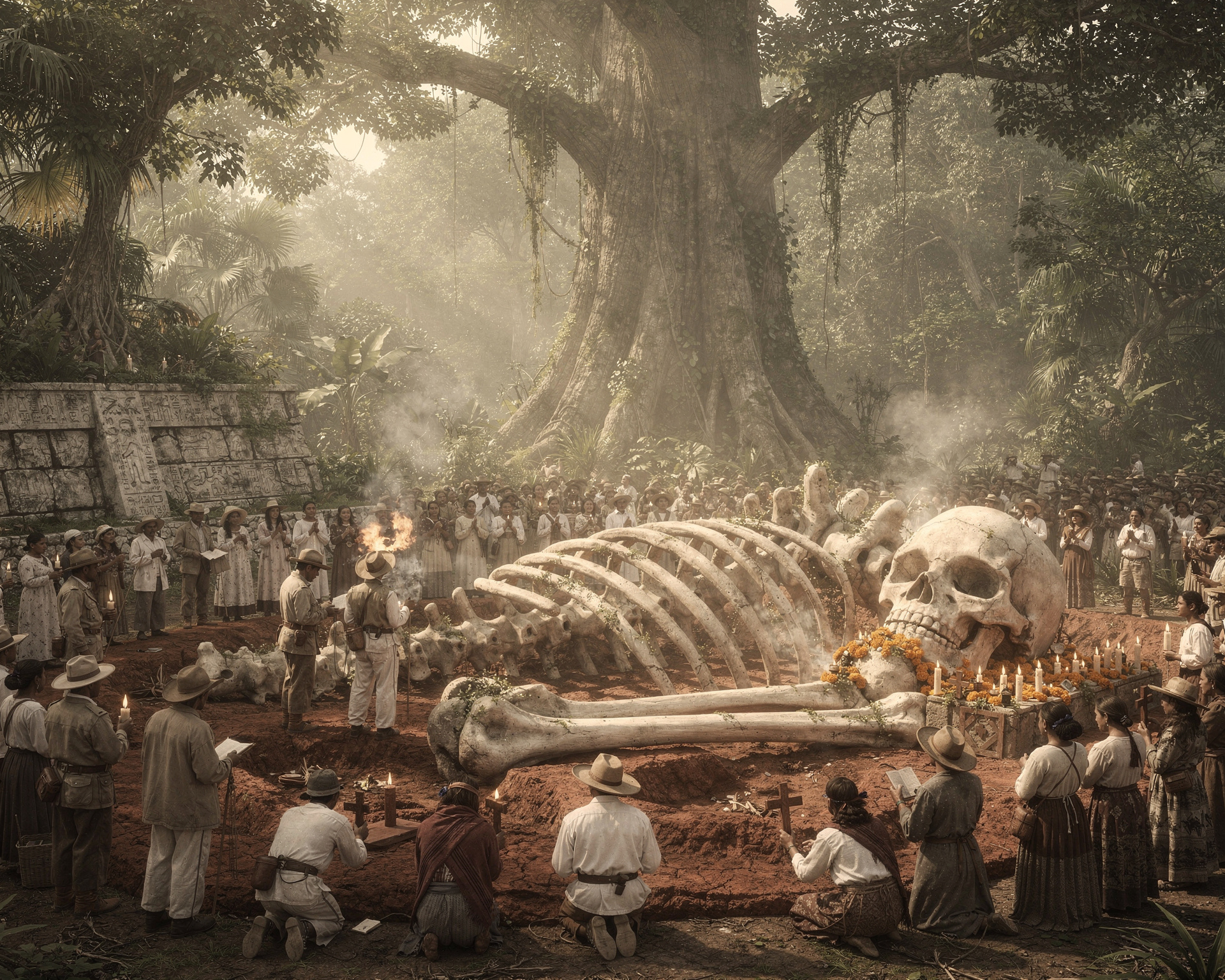
In the early 20th century, newspapers across the United States buzzed with tales of extraordinary archaeological finds from south of the border. One such report, datelined El Paso, Texas, on October 2 1919, captured the imagination of readers with claims of a colossal human skeleton unearthed in Mexico. This story, blending sensational discovery with speculative links to lost civilizations, offers a fascinating glimpse into an era when the boundaries between fact, folklore, and fringe theory were delightfully blurred.
According to dispatches from Mexico City, workmen near the remote town of Necacampipa in the state of Vera Cruz (modern-day Veracruz) stumbled upon the fossilized remains of a human figure towering over 30 feet in height. The sheer scale of the skeleton reportedly left locals in awe, with hundreds flocking to the site not merely out of curiosity, but to venerate the bones as if they belonged to a divine being or ancient deity. Mexican newspapers wasted no time in advocating for a formal expedition: they called for a team of archaeologists to descend upon the location, conduct thorough investigations, and salvage any accompanying fossils that might rewrite human history.
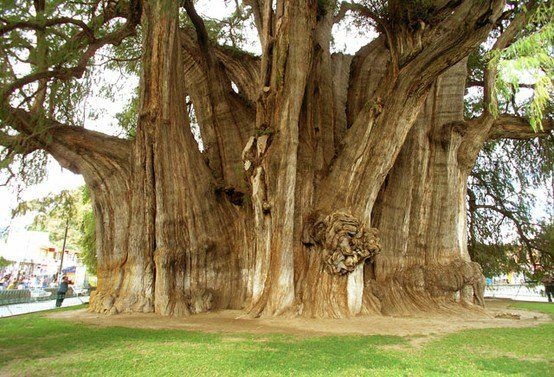
The discovery's proximity to the enigmatic Yucatan Peninsula only fueled the excitement. Experts in El Paso, well-versed in the region's peculiarities, pointed out that Veracruz and especially Yucatan had long been sources of baffling artifacts and anomalies for scientists and historians alike. Among the examples cited was a monumental tree in Yucatan boasting a diameter of 45 feet—a behemoth that a German botanist had estimated to be approximately 6,000 years old, standing as silent witness to millennia of forgotten eras.
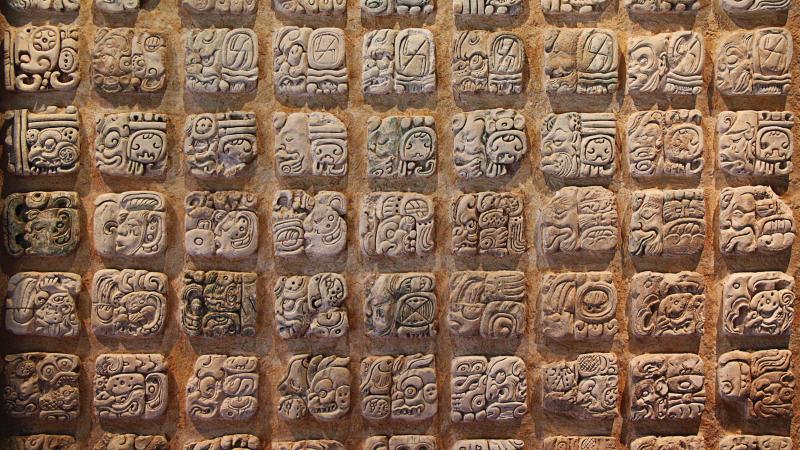
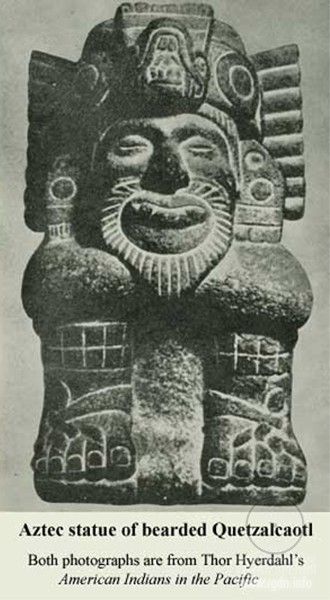
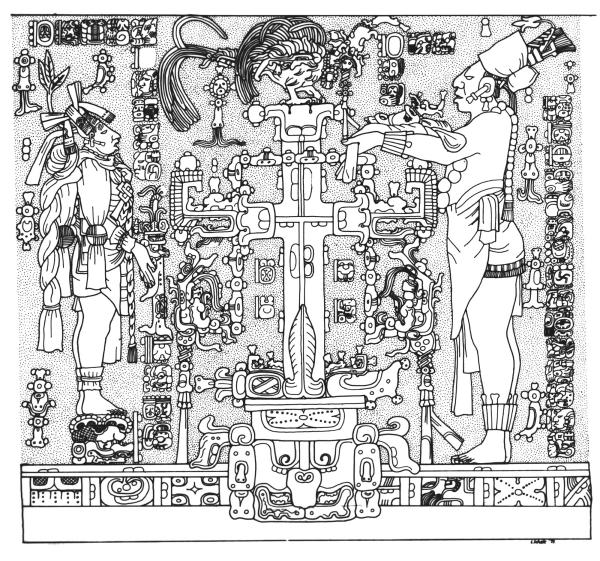
Even more intriguing were the cultural echoes. Ancient stones unearthed in Yucatan bore hieroglyphics bearing uncanny resemblances to those of ancient Egypt. Indigenous legends spoke of a bearded white man who arrived eons ago to impart religious wisdom to the people—leading some scholars to speculate that this figure might have been none other than St. Thomas, one of the twelve apostles of Jesus Christ. Remarkably, these same natives reportedly employed the cross as a sacred symbol long before the Spanish conquistadors introduced Christianity to the Americas.
Building on historical records from both Mexico and Spain, certain theorists proposed a bold hypothesis: that the Yucatan had been colonized by ancient Phoenicians hailing from Egypt, perhaps even before they established outposts in the Iberian Peninsula. The mechanics of such a transatlantic journey posed an insurmountable puzzle to conventional thinking—how could seafaring peoples from the Mediterranean cross the vast Atlantic in prehistoric times?
To resolve this conundrum, proponents turned to one of antiquity's most enduring legends: Atlantis, the lost continent. This submerged landmass, described by Plato as a bridge between the Old World and the New, could have served as a stepping stone, enabling Egyptian-Phoenician explorers to reach the shores of the Americas and plant the seeds of advanced civilization there.
While modern archaeology has debunked tales of 30-foot giants as classic newspaper hoaxes—often embellished for circulation in an age of yellow journalism—these stories endure as captivating windows into humanity's fascination with the unknown. They remind us how ancient mysteries, from Egyptian influences in Mesoamerica to whispers of sunken continents, continue to spark debate and wonder. Whether rooted in misidentified megafauna bones or pure fabrication, the legend of the Necacampipa giant invites us to ponder: what secrets still lie buried beneath the earth, waiting to challenge our understanding of the past?
Now, I believe this is one of those instances where animal remains were likely mistaken for human ones. I don’t automatically accept every story about the discovery of ancient giants as fact. Over time, I’ve learned to look for recurring details—shared descriptions and burial traits reported by countless individuals in eras long before global communication connected us. Those consistent accounts never describe anyone towering beyond ten or eleven feet tall.
So while I doubt the authenticity of this particular story, I still pay attention to it—just in case a similar one surfaces later from another source. Even then, it would take multiple independent reports before I began to take it seriously. Still, these stories are always fascinating. Until next time, keep CAMPing and exploring the mysteries of our world.
Source: https://www.loc.gov/resource/sn95060770/1919-10-02/ed-1/?sp=8&q=Arkansas+mound+skeleton&r=-0.001,0.396,0.277,0.165,0
Gallery

Discussion (0)
Please sign in to join the discussion
No comments yet. Be the first to share your thoughts!