"The Red Hair Mummies of Utah"

The Mystery of the Red-Haired Mummies: Ancient Secrets Hidden in America's Deserts
Imagine archaeologists digging beneath the cliff homes of a long-vanished prehistoric civilization in the American Southwest... only to uncover mummies with vivid red hair. It sounds like the stuff of legends—but this actually happened in Grand Gulch, Utah. And that's just the beginning of a riddle that spans continents and millennia, from the Nile Valley to the Andes.
Echoes of a Forgotten People Across the World
Stories of ancient red-haired peoples appear in the driest, most remote corners of the globe:
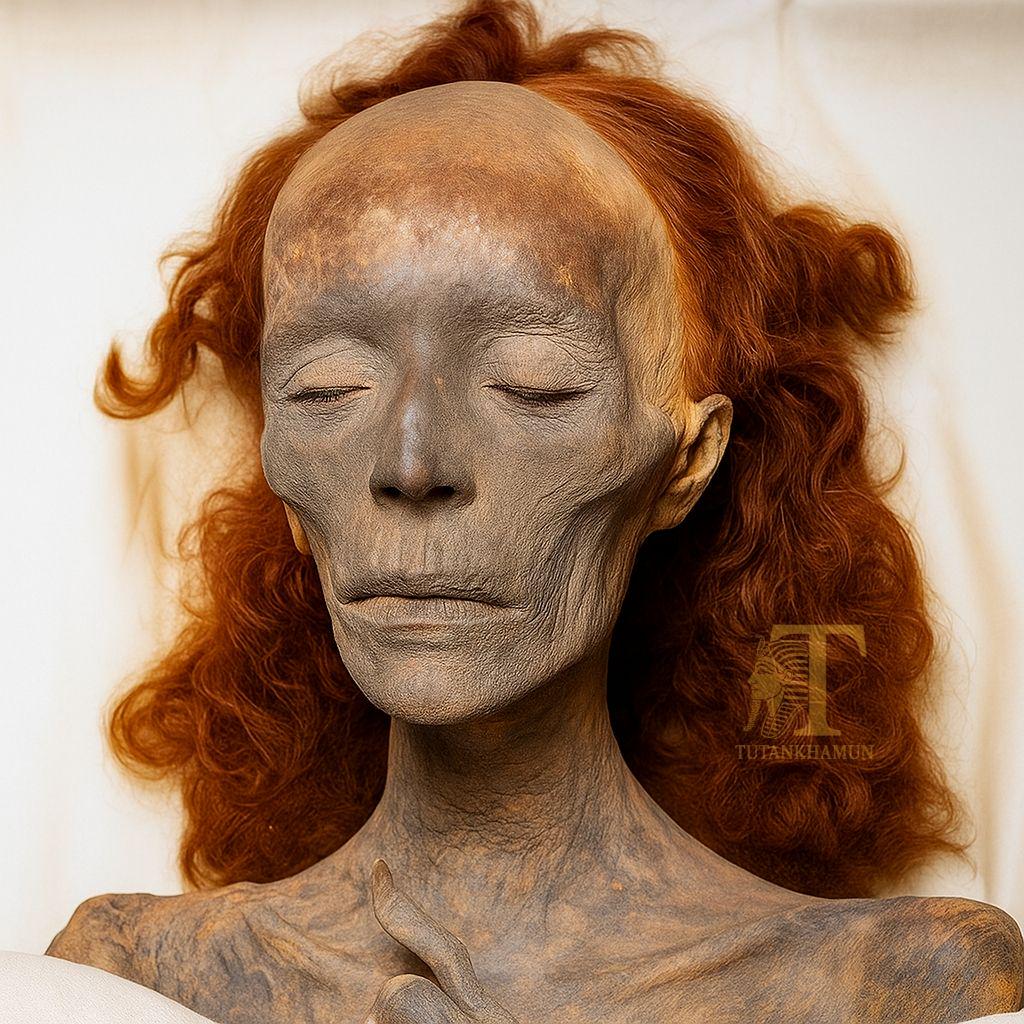
- In ancient Egypt, predynastic mummies like the famous "Ginger" (Gebelein Man, ca. 3400 BC) from the British Museum display striking reddish hair preserved naturally in desert sand. Forensic studies show the mummification process (or lack thereof) didn't alter hair color—experiments with natron confirm it doesn't bleach or redden strands. This suggests some early Egyptians had naturally red or fair hair. Even Pharaoh Ramesses II (died ca. 1213 BC) had traces of natural red pigment in his hair roots, though he used henna in old age to enhance or restore it—a common practice, as red hair was linked to the god Seth.
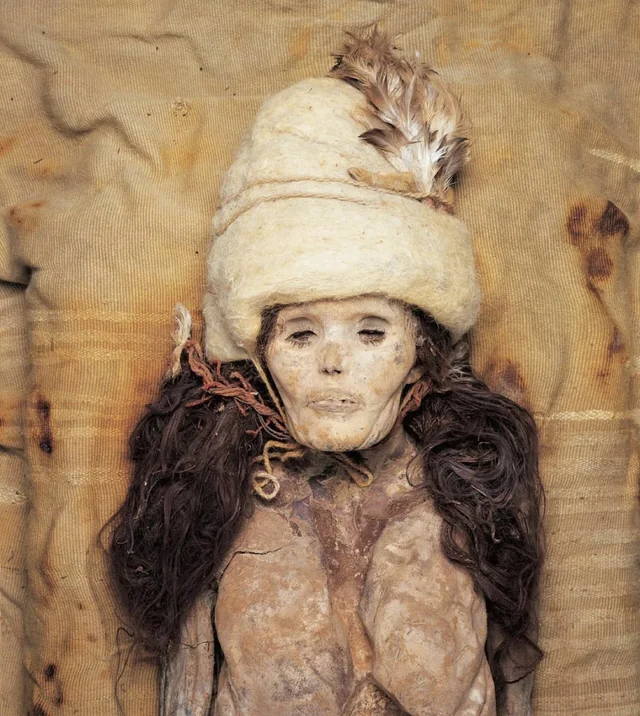
- In China's Tarim Basin, exquisitely preserved mummies emerge with light or reddish hair.
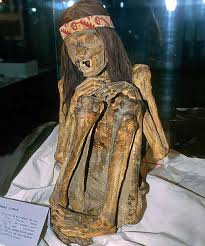
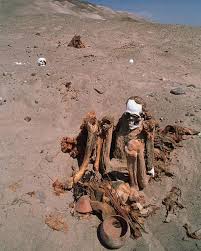
- On Peru's Paracas coast, many elongated skulls from ancient mummies are topped with striking red locks.
- In the United States, Native American traditions speak of red-haired peoples—sometimes described as towering cannibals—who lived alongside early tribes.
Legends from Nevada's Lovelock Cave tell of red-haired giants trapped and burned alive by the Paiute, with artifacts like oversized sandals seemingly backing up the tales.
Mainstream scholars often dismiss these as myths or attribute reddish tones to post-mortem changes like oxidation. Yet scientific tests refute widespread bleaching, and the stories persist. These Egyptian connections—natural red hair in predynastic times, henna use later—deepen the enigma: Red-haired mummies aren't isolated oddities but threads in a global tapestry preserved by relentless deserts.
The Astonishing Discovery in Grand Gulch
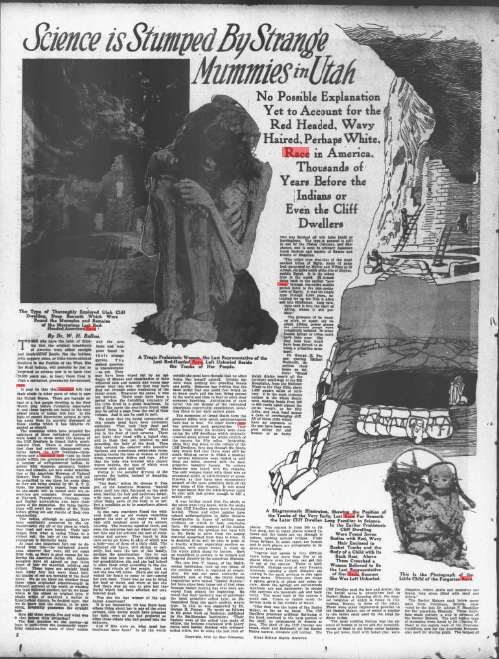
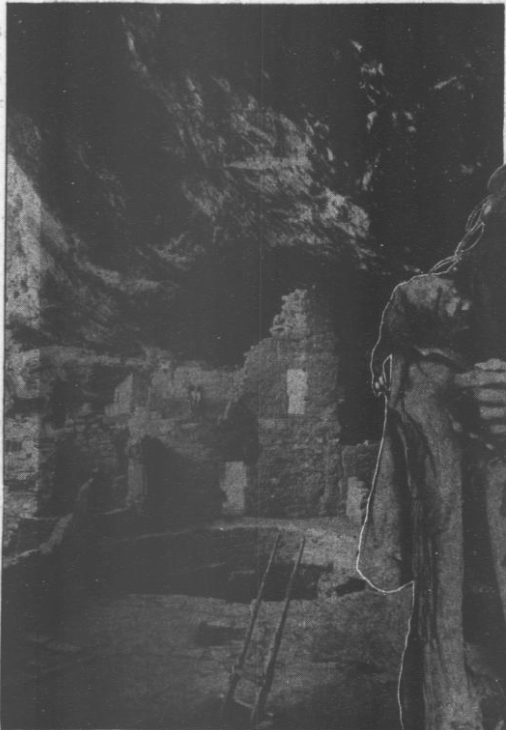
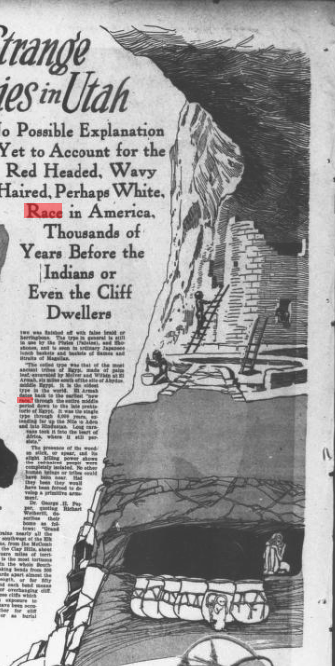
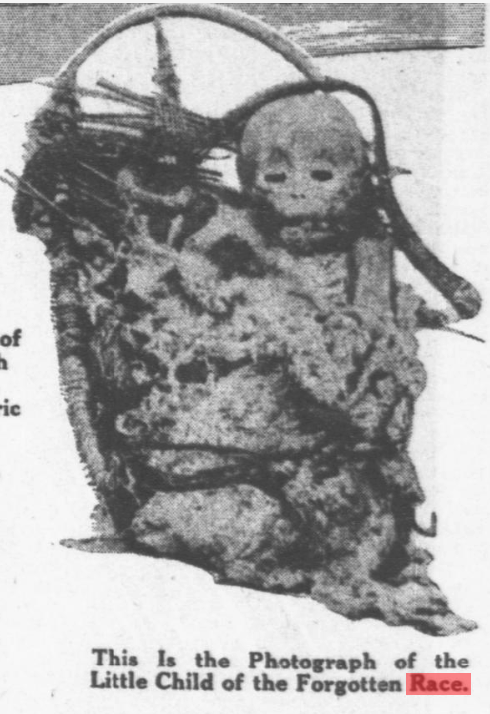
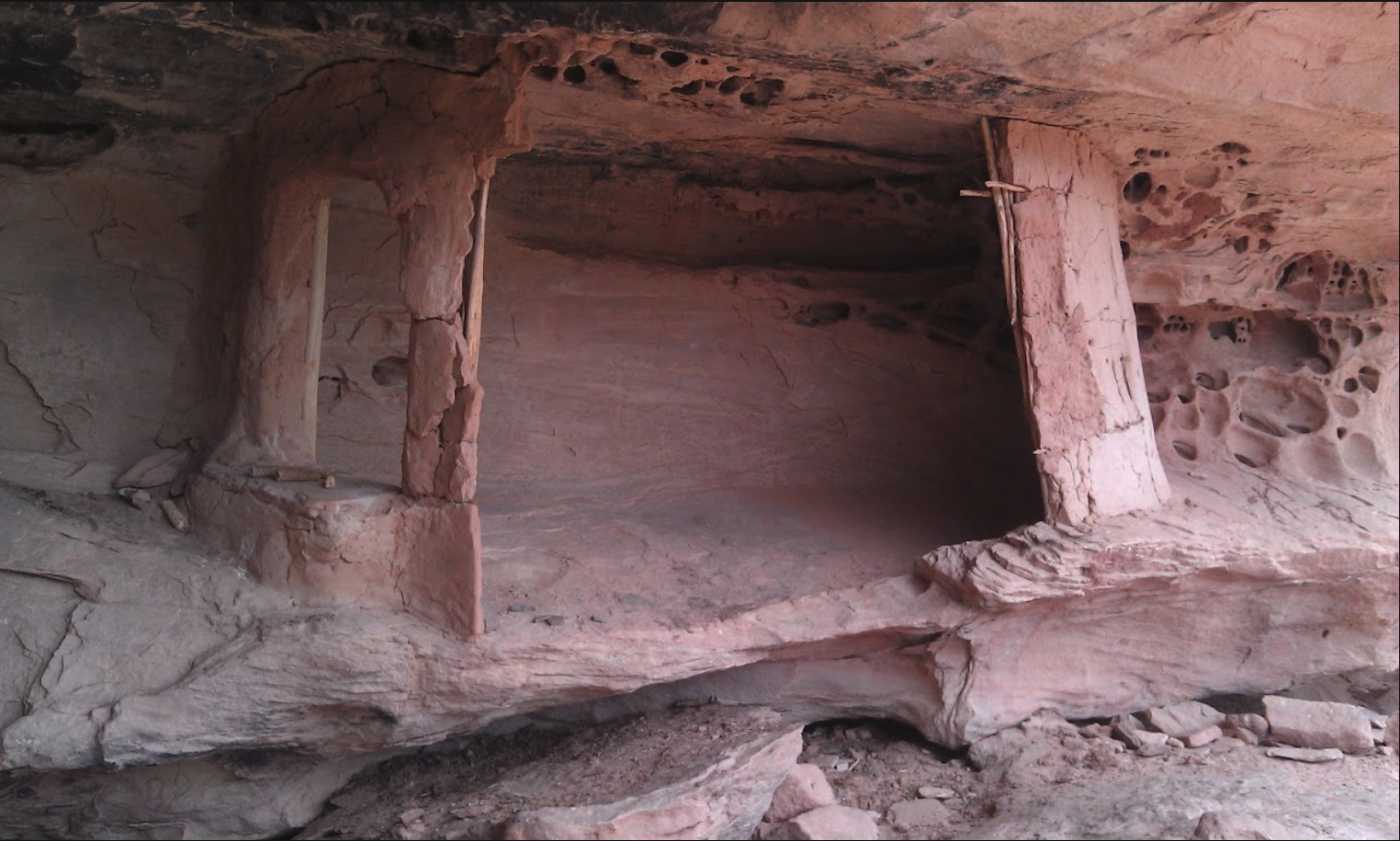
In southeastern Utah's twisting canyons of Grand Gulch, excavators found something extraordinary beneath the homes of the Cliff Dwellers (themselves an ancient, disappeared culture): the remains of an even older, more mysterious people.
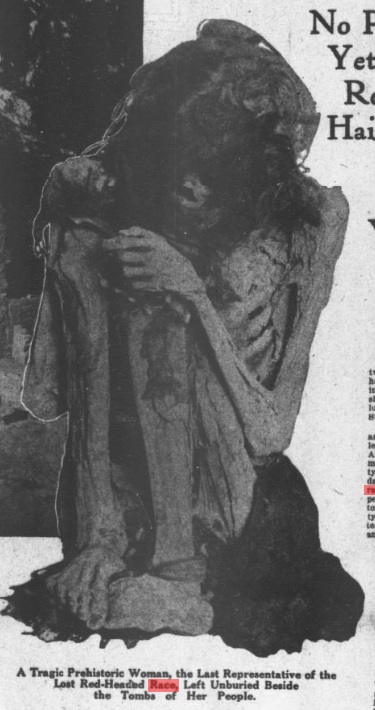
Early 1900s reports described a red-haired race—possibly fair-skinned—that may have lived in Utah as far back as 20,000 years ago (though modern dating places them around 1,500–3,000 years old). These mummies were unearthed in caves, predating the Cliff Dwellers by centuries.
Well-preserved bodies, along with garments, weapons, basketry, and utensils, were shipped to major museums like the American Museum of Natural History, Harvard, Yale, and others for study.
The dry desert air mummified them naturally. Hair ranged from Titian shades to fiery red—even on children, and often wavy. One poignant find: an elderly woman with auburn-tinted hair, crouched sorrowfully beside seven burial pots containing her family. It seems she buried them one by one, then waited alone for death. Was she the last of her kind?
Burials were elaborate: Bodies folded in fetal positions, wrapped in feathers and rabbit-skin robes, surrounded by goods, then sealed in tightly woven baskets over clay-lined "pot holes" in cave floors.
Dr. George H. Pepper described the preservation: "The flesh wasted away until the skin flattened on the skeleton, leaving the hair and eyebrows intact... in such perfect condition as to seem almost lifelike."
These people used primitive tools—no pottery, only simple atlatls (spear-throwers). Their skulls were naturally long and elongate, unlike the artificially flattened skulls of the later Cliff Dwellers.
Intriguing Connections: Basketry and Beyond
Smithsonian expert Otis T. Mason noted their coiled basketry was the most primitive type—strikingly similar to 6,000-year-old examples from ancient Egypt (like those from El Amrah near Abydos). This style spread across Africa and into Asia.
Grand Gulch itself is a remote, isolated canyon system over 50 miles long, filled with caves and cliffs—perfect for a secluded people.
Striking Parallels with Peru’s Paracas Culture
The similarities don't stop at red hair. Paracas mummies from Peru also feature reddish hair and elongated skulls.
DNA tests in the 2010s revealed typical Native American mitochondrial DNA alongside Eurasian haplogroups (like U2e1, H1, H3, T2b)—common around the Black Sea and Caspian regions.
Red hair often links with blue eyes (40–60% of redheads have them), and a 2008 study traced the blue-eye mutation to a single ancestor near the Black Sea 6,000–10,000 years ago.
Burial practices mirror each other: Both curled bodies in fetal positions, sealed them in coiled baskets, and placed them in deep, dry tombs ideal for mummification.
Both lived in sun-baked, hyper-arid deserts where time itself seemed to stop.
Coincidence? Or evidence of ancient connections? With Egypt's early red-haired mummies and shared basketry styles, plus later henna traditions echoing reddish enhancements elsewhere, the puzzle grows: Could ancient migrations or cultural exchanges have linked these far-flung desert peoples?
If a Eurasian-linked group reached Peru, their migration path would have crossed North America—right through the Southwest where these Utah mummies lay.
Not so simple, is it?
Where Are the Remains Today?
Many Grand Gulch mummies ended up in institutions like the National Museum of the American Indian. Modern archaeology views them as ancestral Native Americans (Basketmakers), with red hair likely caused by oxidation in arid conditions rather than a separate "race."
Final Thoughts: Myth or Hidden History?
Where there's this much smoke—Egyptian predynastic redheads, Tarim mummies in Asia, Paracas in South America, legends and finds across the U.S.—is there fire?
Is the red hair just environmental or dye-related? Or does it hint at an ancient, widespread red-haired trait whose traces linger in deserts worldwide, backed by preserved pigments whispering of far-off origins?
The mystery of Grand Gulch deepens rather than resolves the enigma. What do you think—campfire tale, or something more?
Gallery
Discussion (0)
Please sign in to join the discussion
No comments yet. Be the first to share your thoughts!