Skeleton of the Toltec King
### Unearthing the Toltec King: A Glimpse into Ancient Mexico's Buried Royalty
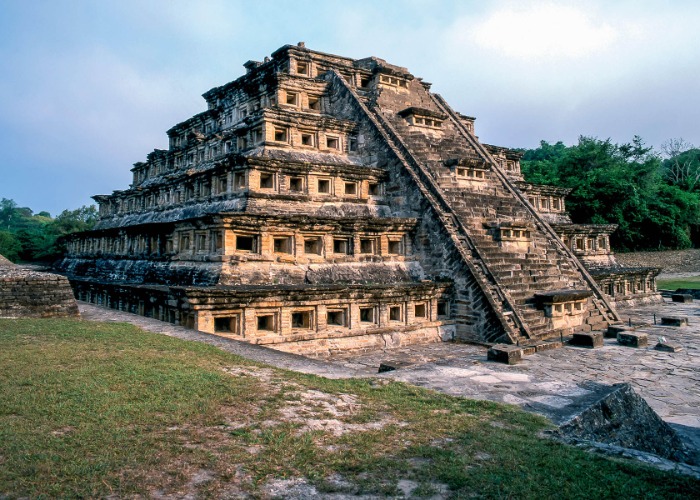
In the shadow of Mexico's iconic Pyramid of the Sun, a groundbreaking archaeological find captured the imagination of the world over a century ago. Reported in the early 20th century, this discovery peeled back layers of time to reveal the remains of what was believed to be a Toltec king, surrounded by treasures that spoke of a sophisticated prehistoric civilization. Drawing from a historic newspaper article, let's dive into the details of this excavation, its significance, and the echoes it leaves in modern archaeology.
#### The Discovery: A Subterranean Temple Revealed
The story broke in the *Mexican Herald* and was reprinted in *The Washington Post* on April 14, 1907. According to the report, archaeologist Leopold Batres—Mexico's Inspector General of Archaeological Monuments—had been excavating one of the small artificial hills (tumuli) southeast of the Pyramid of the Sun at Teotihuacan for the previous two weeks. Teotihuacan, known as the "City of the Gods" in Nahuatl, was a sprawling ancient metropolis in the Valley of Mexico, predating the Aztecs and often associated with the Toltecs.
Batres' team uncovered rooms that appeared to be part of an ancient temple, complete with patios and stairways leading to a large subterranean chamber about 30 feet long. These were the first underground houses found in the valley, indicating that Teotihuacan's structures were multi-storied—two or three levels high. The upper stories had been destroyed by fire, but the lower levels remained intact, adorned with red paint characteristic of Teotihuacan's aesthetic.
At the heart of this find was the skeleton of a man presumed to be an ancient Toltec king, estimated to date back around 3,000 years (roughly 1000 BCE). Alongside it lay the skeleton of a tiger (likely a jaguar, sacred in Mesoamerican cultures), both painted red—a color symbolizing life, death, and ritual in ancient traditions. The burial's opulence suggested the individual's high status, surrounded by artifacts that highlighted trade, craftsmanship, and spiritual beliefs.
#### Key Artifacts and Their Significance
The grave goods provided a treasure trove of insights into Toltec (or Teotihuacan) society:
- **Sea Shells and Beads**: Large quantities of sea shells, including spiral ones drilled for use as beads, beautifully polished. These indicate extensive trade networks reaching coastal regions.
- **Obsidian and Jade Items**: Beads, idols, knives, and snakes made from obsidian (volcanic glass) and jade, materials prized for their sharpness and symbolic value.
- **Polished Stone Masks**: Representing heroes from millennia ago, these masks were intricately carved and polished, possibly used in rituals or as memorials.
- **Metal Objects**: Copper, bronze, chichehuitl (a type of green stone), and perlite items, some of extraordinary size and finish, demonstrating advanced metallurgy uncommon for the era.
These items underscored the deceased's importance, as the report notes: "The dead man must have been of great importance in his day." The red paint on the skeletons and the temple's color scheme align with Teotihuacan's artistic style, where red symbolized blood, sacrifice, and the divine.
#### Historical Context and Legacy
Published just weeks after the 100th anniversary of poet Henry Wadsworth Longfellow's birth (also covered in the same *Washington Post* edition), this story reflects the era's fascination with ancient civilizations amid rapid modernization. Teotihuacan, flourishing between 100 BCE and 550 CE, was a hub of innovation, with pyramids aligning to celestial events and influencing later cultures like the Toltecs and Aztecs. Batres' work, though controversial today for his methods, laid groundwork for understanding Mesoamerica's pre-Columbian history.
Modern archaeology has refined these findings: The "Toltec king" label may be a misnomer, as Teotihuacan predates the classic Toltec period (900–1150 CE), but the site's influence on Toltec culture is undeniable. Artifacts like these are now housed in museums, such as Mexico's National Museum of Anthropology, offering glimpses into rituals involving animal companions and elite burials.
This 1907 report reminds us how discoveries like Batres' continue to unravel Mexico's rich past. If you're delving into more vintage newspapers, share the next PDF—we'll transform it into another engaging post!
Discussion (0)
Please sign in to join the discussion
No comments yet. Be the first to share your thoughts!