Secrets of a vanished race - Lost Petroglyphs of Pennsylvania
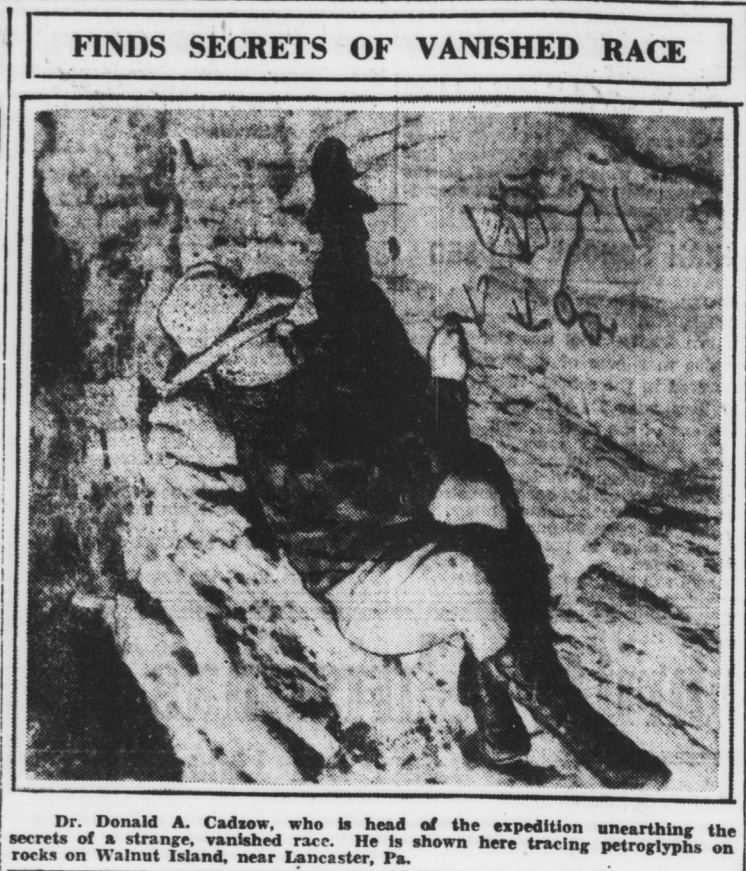
Traces of a Vanished People: The Lost Petroglyphs of Pennsylvania
Deep in the Susquehanna River, where the water swirls around rocky islands near Safe Harbor, Pennsylvania, lies a forgotten chapter of North American history. In the early 1930s, archaeologist Dr. Donald A. Cadzow and his team raced against time to uncover the secrets of a mysterious, vanished people whose story was carved in stone and buried beneath the soil of Lancaster County. Their work, done just before the rising waters of the Safe Harbor Dam, revealed a culture older and stranger than many had imagined.
A Drama of Another People
In a 1930 article titled “Finds Secrets of Vanished Race,” journalist Laura Lee described the work as “a thrilling drama being quietly revived.” She wrote of a people who lived in Pennsylvania long before William Penn, before any white man had ever set foot there. These were not just the known Susquehannocks and Algonquins, but a third, shadowy group whose very existence had been lost to time.
Dr. Cadzow, director of archaeological research for the Pennsylvania Historical Commission, believed these new finds might force scientists to rethink how long humans had lived in the Eastern United States. He and his young crew of students had been working feverishly since spring, salvaging artifacts and making plaster casts of petroglyphs before the 35-million-dollar hydroelectric project drowned the sites under 40 feet of water.
The Story Chiseled in Rock
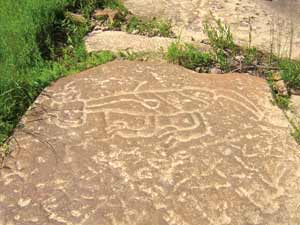
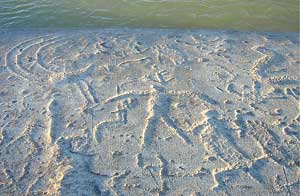
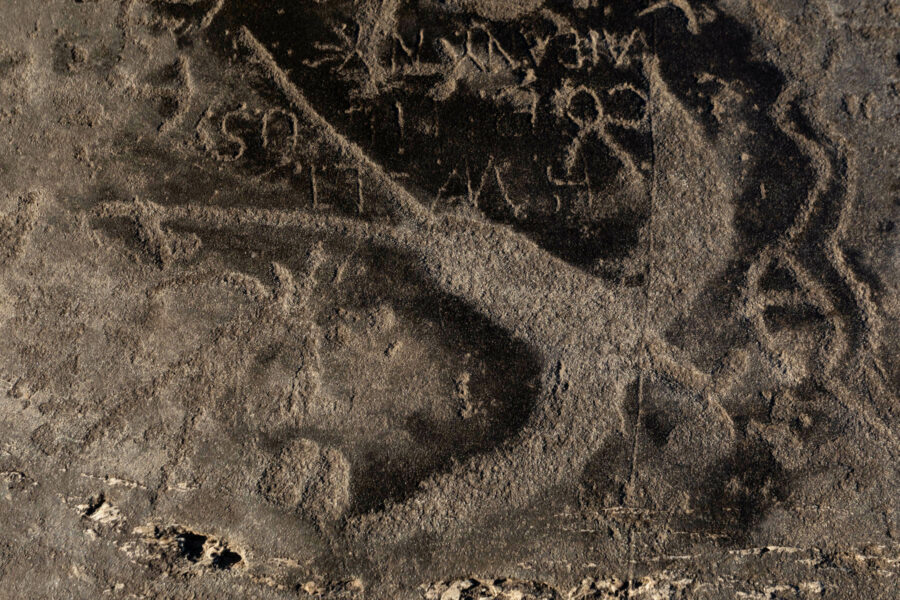
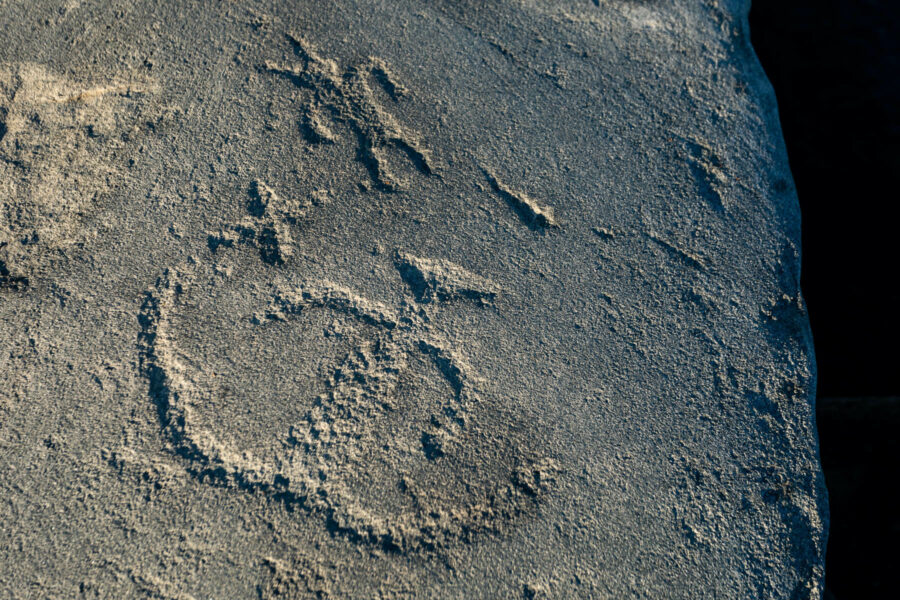
Out on Walnut Island and nearby Creswell Rock, in the middle of the muddy Susquehanna, ancient fishermen had left their story carved into the stone. These petroglyphs—symbols, animals, and human figures—were the work of a people who saw the river as a sacred place, a place to record their myths, their gods, and their lives.
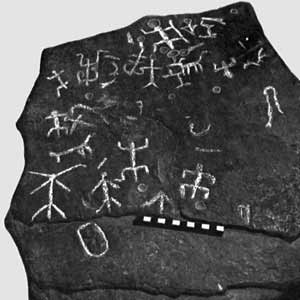
Cadzow identified three distinct periods of Indian writing on the rocks:
- The oldest were abstract, conventional symbols that almost looked like Chinese characters, which he attributed to a prehistoric culture.
- A middle layer showed slightly less abstract designs: circles, decorative hieroglyphics, and crude animal forms.
- The most recent carvings featured the legendary Algonquin Thunder Bird, who carried a lake on his shoulders and made thunder by flapping his wings, along with Lox (the trickster god), hunters with bow-and-arrow arms, dog-bear feet, turkey tracks, and many snakes.
These weren’t random doodles; they were a deliberate, sacred language. Cadzow became so fascinated that he launched excavations on the mainland at Washington Borough, where he unearthed thousands of relics that would keep his team digging for years.
A Culture Being Erased
Pennsylvania, Cadzow noted, had some of the finest historians in the country, but they could only go back so far—then they hit a blank wall. That’s why the state had called on archaeologists to become “prehistoric detectives,” piecing together a world that written history had forgotten.
He lamented that while vast sums had been spent on excavations in Egypt and Mexico, Pennsylvania’s own remarkable wealth of antiquity was being rapidly destroyed by industrial expansion. Already, he said, about 20 percent of the known sites had been ruined. The first money for his work came from the Safe Harbor Water Power Company and the Pennsylvania Museum, each contributing $5,000 to save what they could.
Some of the relics he dated to 300–500 years ago, but others, belonging to this newly discovered culture, he believed were 1,000 years old or more.
Clues from the Buried
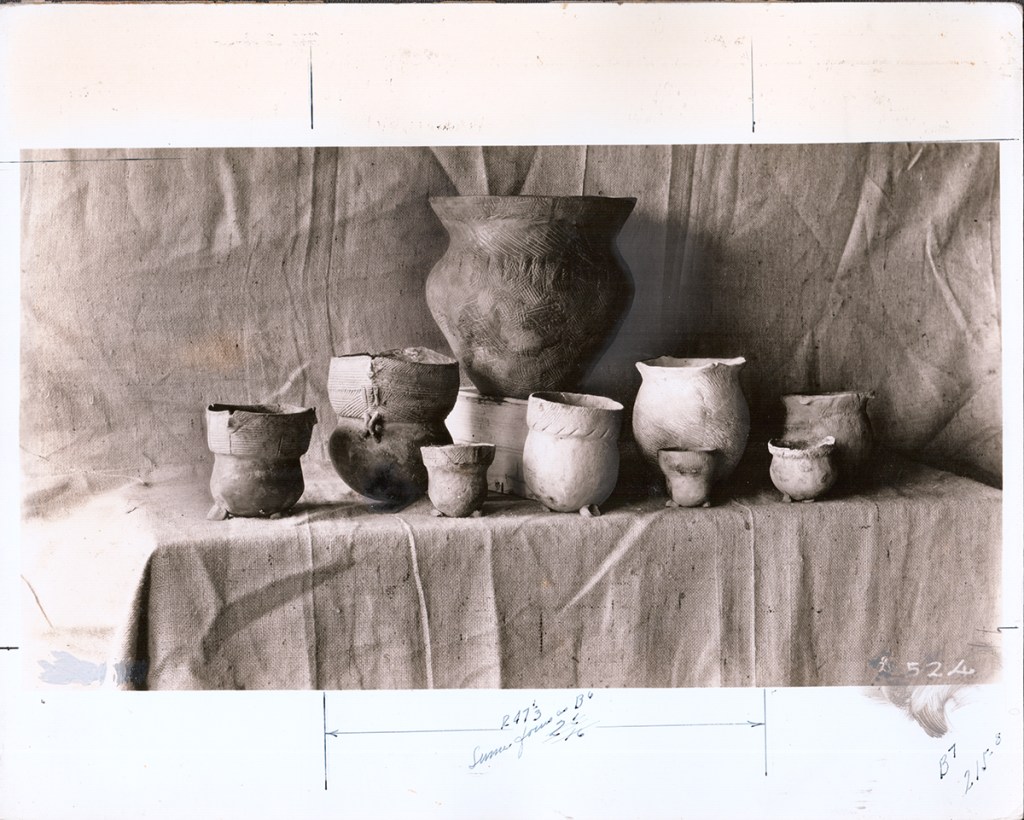
In a crude wooden shack near the river, Cadzow and his team worked day and night, piecing together broken pottery, making molds of the rock carvings, and preserving the treasures they had found. Among their prize finds were:
- A string of 200 elk teeth beads, carefully chosen and strung on twisted skin.
- Bone combs with beautifully carved figures, worn by both men and women.
- Pipes of all descriptions, showing the evolution from thick, awkward stems to the familiar pipe form.
- Hundreds of clay pots, from tiny thimble-sized vessels (perhaps children’s toys) to handsome 26-inch jars decorated with animal heads and strange symbols.
The fish hooks, Cadzow noted, had evolved from bone, and the development of the pipe could be traced through the layers of soil. In some later burials, they even found evidence of early contact with Europeans: a rusty French-style sword, colored glass beads highly prized by Native peoples, and the remains of copper vessels.
One copper pot told a poignant story: a cook had left a pot of beans burning in a hurry—perhaps because a baby was crying, or an Iroquois attack was coming. The copper salts preserved the charred beans for centuries, a tiny snapshot of daily life in that vanished world.
Giants of the Susquehanna
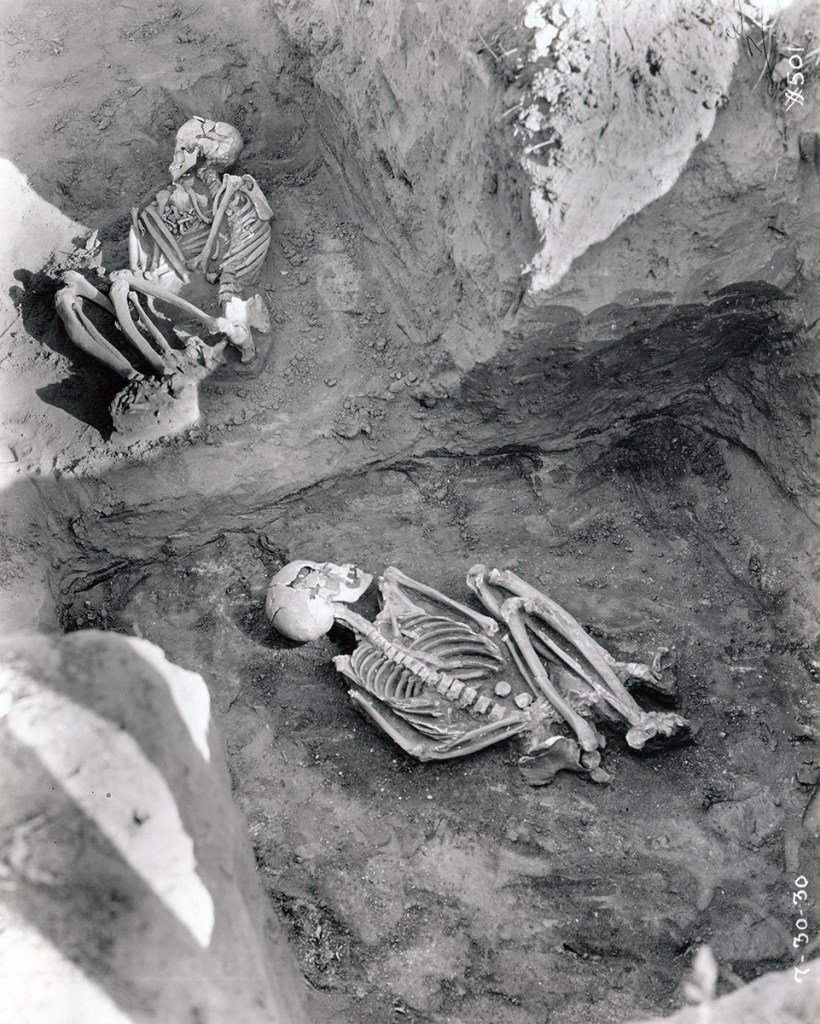
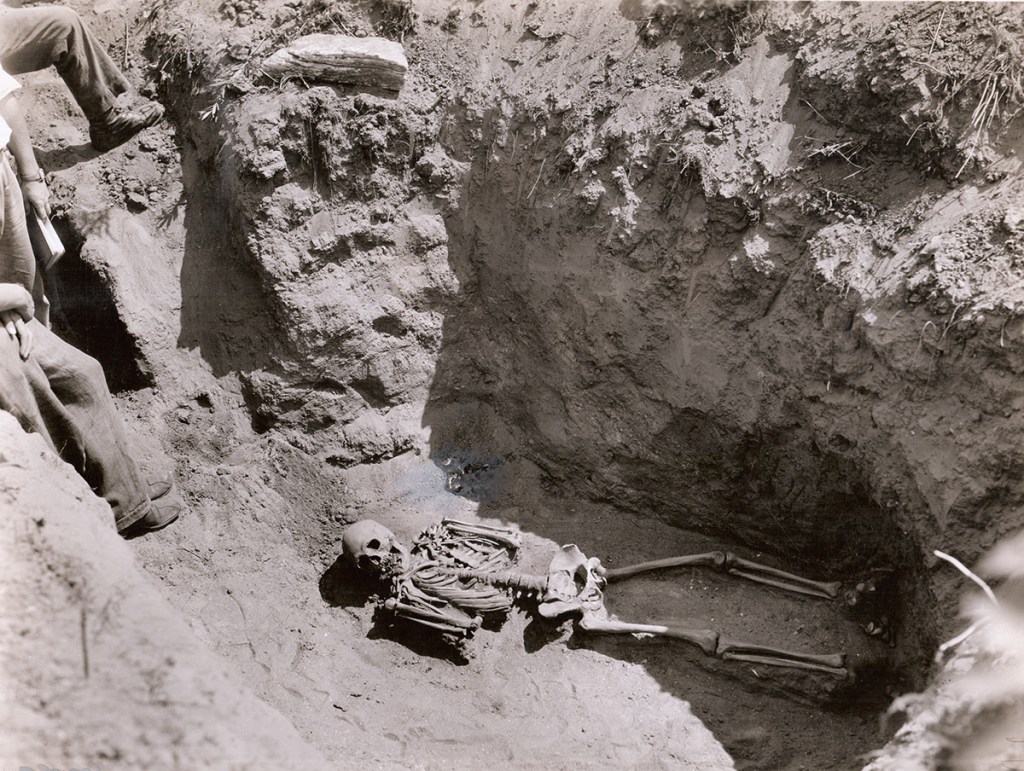
The Algonquins of the Susquehanna had been described by Captain John Smith in 1608 as “such giants and well-proportioned men as are seldom seen.” Cadzow’s excavations confirmed Smith’s account: they unearthed skeletons measuring well over six feet tall, proving that the explorer’s tales were not mere fantasy.
By 1675, the powerful Susquehannock nation had been crushed by the Iroquois Confederacy, supported by the French. The few survivors retreated to Maryland and Virginia, where they mingled with various Algonquin tribes, their distinct culture fading into history.
A Legacy Preserved
Today, the petroglyphs of Walnut Island and Creswell Rock are mostly submerged beneath the reservoir created by Safe Harbor Dam. But thanks to Cadzow’s urgent work in the early 1930s, many of the carvings were salvaged, photographed, and cast in plaster before they disappeared.
Actual petroglyphs and casts from these sites are now preserved in Pennsylvania’s State Museum in Harrisburg, the Blue Rock Heritage Center in Washington Boro, and the Conestoga Area Historical Society Museum. Small plaster models of Little Indian Rock and Cresswell Rock are on display at the Indian Steps Museum in York County, and seven petroglyph designs from Safe Harbor are even set into the mosaic floor of the Pennsylvania State Capitol.
These stones, once hidden in the river and nearly lost to a dam, now stand as silent witnesses to a vanished people—a lost race whose story, chiseled in rock and buried in time, is finally being heard again.
Gallery
Discussion (0)
Please sign in to join the discussion
No comments yet. Be the first to share your thoughts!