Newark's Lunar Giants: The Octagon and Circle Earthworks
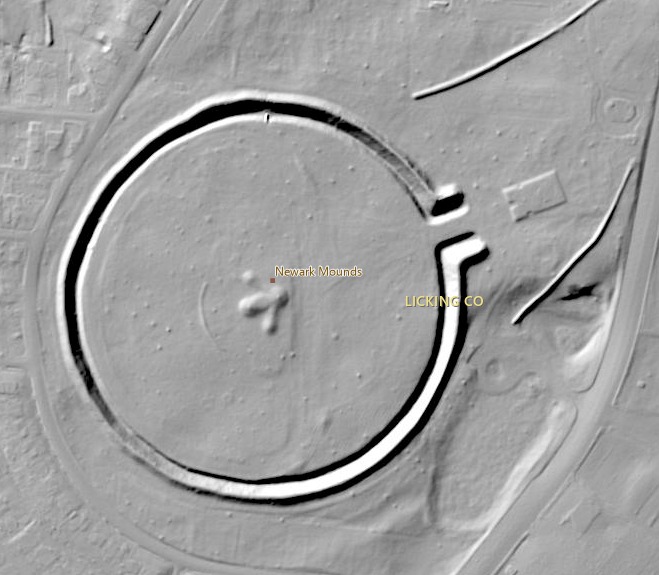
Deep in Newark, Ohio, stand remnants of one of ancient North America's most sophisticated creations—a massive ceremonial earthwork blending sacred gathering space with precision lunar observatory, built by Hopewell peoples between 1–400 CE.
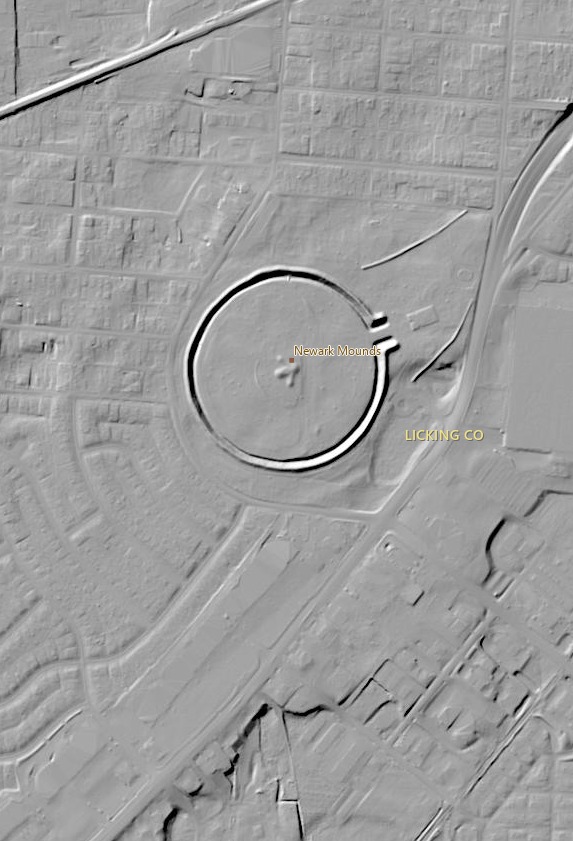
The octagon and attached circle form a geometric masterpiece spanning over 50 acres for the octagon and 20 for the circle. Walls rose to eye-level, built from carefully selected erosion-resistant soils, defining sacred enclosures that guided processions through deliberate gateways.
Their primary genius? Perfect alignment to the Moon's 18.6-year "major lunar standstill" cycle. From the observatory circle, moonrise and moonset frame exactly through the octagon's eight extreme points—the most accurate pre-telescope lunar calendar known worldwide.
Standing in the vast circle, ancient observers peered through the narrow connecting passageway—a "tunnel of vision" framing distant lunar gateways on the horizon. This wasn't casual stargazing; it demanded generations of sky-watchers tracking the moon's subtle extremes.
Beyond astronomy, Newark served as a pan-tribal pilgrimage hub. Communities traveled hundreds of miles bearing obsidian, copper, mica, shells, and sacred offerings for rituals blending celestial timing, diplomacy, trade, and feasting—like an Indigenous festival synced to cosmic events.
These earthworks reveal Hopewell engineering rivaling Stonehenge: deliberate soil selection for permanence, controlled movement through sacred gateways, and geometric precision encoding lunar knowledge for future generations.
How did prehistoric Hopewell people discover and track the Moon's elusive 18.6-year cycle without telescopes or mathematics? The only way to uncover these ancient truths is to keep CAMPing and Xploring the mysteries of our world 🔥⛺
Gallery


Discussion (0)
Please sign in to join the discussion
No comments yet. Be the first to share your thoughts!