"New Insights into America's Ancient Mound Builders"
Unraveling the Enigma: New Insights into America's Ancient Mound Builders
Imagine vast earthen pyramids rising from the Midwest plains, mysterious stone circles hidden in log mounds, and intricately carved effigies whispering tales of lost civilizations. In 1930, science writer Frank Thone delved into these puzzles in a captivating article, shedding light on the Mound Builders—the enigmatic ancient peoples who dotted the U.S. interior with monumental structures. Drawing on the work of Dr. Henry Shetrone, director of the Ohio State Museum, Thone explored whether these builders were kin to the Maya and Aztecs of Mexico. Let's revisit this timeless mystery, highlighting the stunning sites, megalithic-like structures, and remarkable artifacts that continue to baffle experts today.
The Great Migration Hypothesis
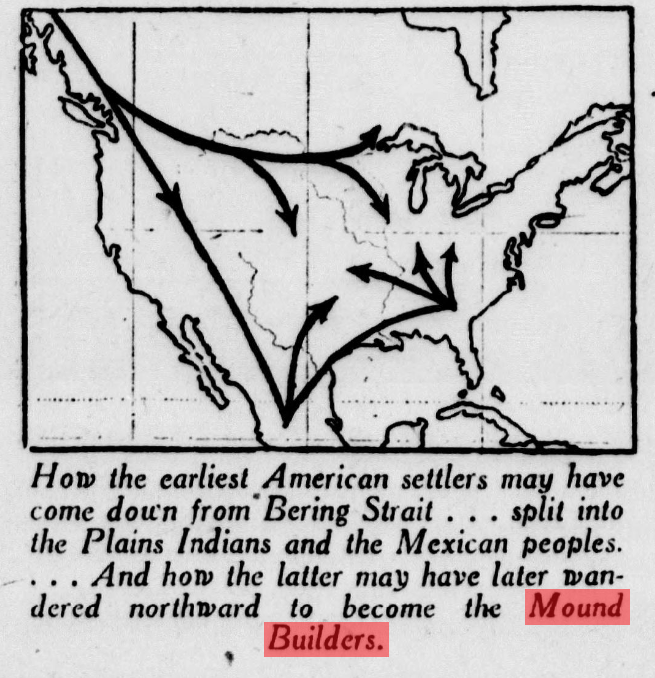
According to Dr. Shetrone's hypothesis, the Mound Builders likely stemmed from a southern wave of migration, possibly branching from the advanced cultures of Yucatan and the Mexican plateau. They spread across the Mid-Continent valley systems, the Gulf coastal plain down to peninsular Florida, and even westward to the Great Lakes region. As they dispersed, they evolved distinct cultures, but shared roots shone through in their art and architecture.
These people achieved "mean glory," as Thone put it, but their civilization mysteriously faded long before European arrival. Why did it decline by the time of Columbus? That's still a riddle, much like when Thomas Jefferson first pondered the mounds in the 18th century. Shetrone's ideas, detailed in his 1930 book The Mound-Builders, sparked debates among scholars—and rightly so, as they challenge us to rethink pre-Columbian America.
Iconic Sites and Monumental Structures
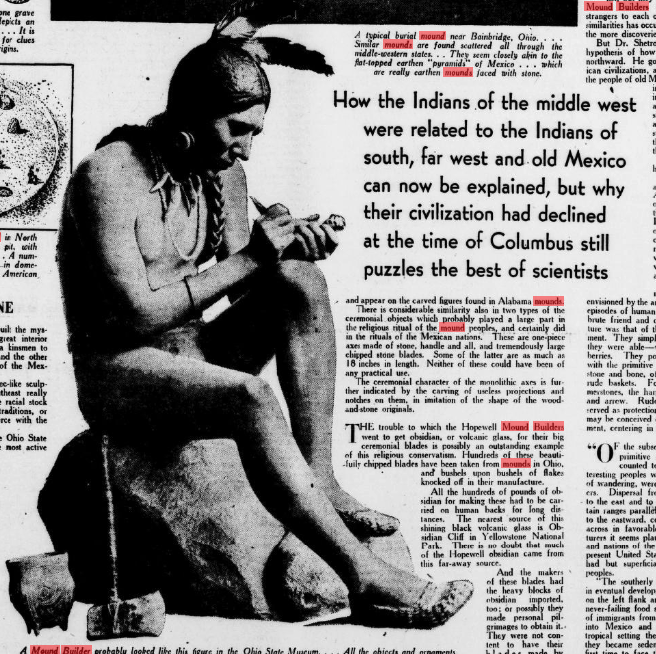
The Mound Builders left behind an astonishing array of earthworks and burial sites, often resembling the flat-topped pyramids of Mexico (though built from earth, sometimes faced with stone).
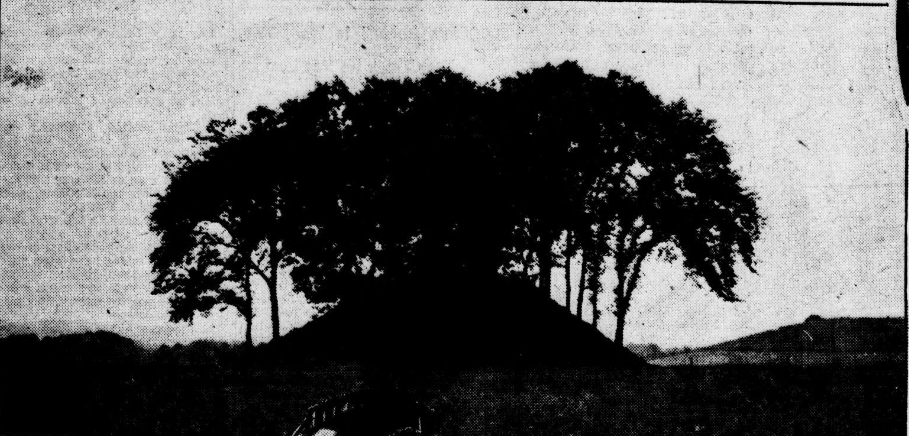
- Bainbridge, Ohio: A classic burial mound exemplifies the scattered structures across the Middle West. These were integral to ceremonial life, echoing the grand earthen "pyramids" of ancient Mexico.
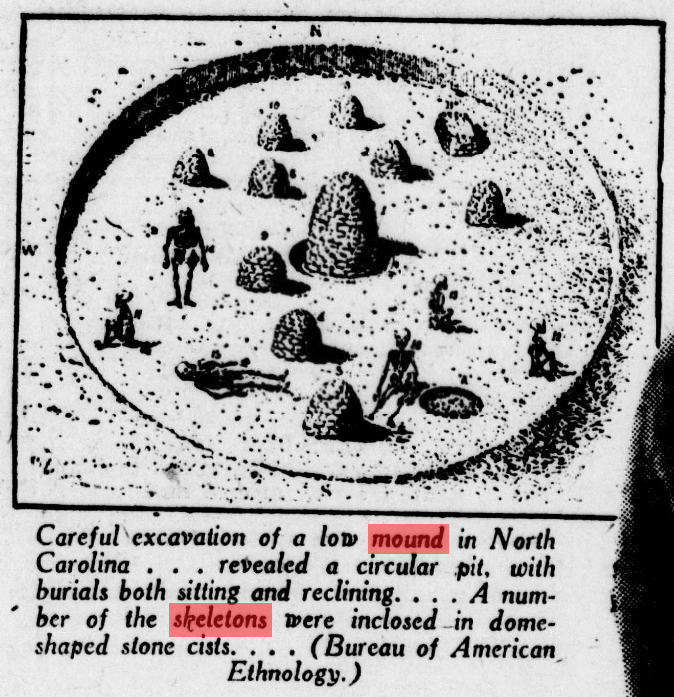
- North Carolina Log Mound: Excavations revealed a circular pit with a central stone slab, surrounded by stone-shaped circles enclosing skeletons. This hints at ritualistic burials with megalithic elements, like stone rings for protection or symbolism.
- Southeastern States Pyramids: Elaborate three-story pyramids with pyramidal temples dominate, showcasing workmanship akin to Maya designs. These served as ceremonial centers, not just graves.
- Alabama Mounds: Home to carved figures and effigies, these sites blend burial and ritual functions.
- Hopewell Sites in Ohio: Named after the Hopewell culture, these feature massive earthworks and were hubs for long-distance trade and ceremonies.
Other regions include the Ohio River valley, where materials were sourced from afar, and the Gulf coastal plain, linking to Florida's peninsular sites. These structures weren't mere hills—they were engineered marvels, often aligned with astronomical events or sacred geometries.
Remarkable Artifacts Unearthed
The true allure lies in the artifacts, blending utility, ceremony, and artistry. Many suggest ties to Mexican motifs, like jaguars, severed hands, and plumed serpents.
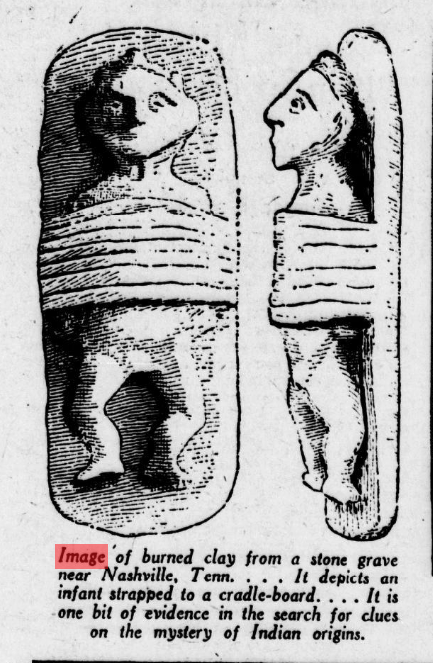
- Cradleboard Clay Figure (Near Nashville, Tennessee): From a stone grave, this buried clay depicts an infant strapped to a cradle-board—a poignant symbol tied to legends of Indian origins and child-rearing rituals.
- Plumed Rattlesnake Effigies (Southeastern U.S.): Rare finds symbolize a sun deity with strange green eyes, mirroring Maya iconography. These appear on carved figures, linking to the feathered serpent god of Mexico.
- Full-Masked Dancing Figures: Aztec-like in regalia, these show warriors or deities in elaborate costumes, holding severed human hands—reminiscent of the Aztec "hand of the sun." Conventional designs further echo Mexican art.
- Ceremonial Pipe-Figurines: Cone-shaped carvings of humans, birds, or animals, used in religious rituals. Impractical for daily use, they highlight spiritual practices shared with Mexican nations.
- Chipped Stone Blades and Monolithic Axes (Hopewell Mounds, Ohio): Up to 18 inches long, these broad-edged blades were crafted from obsidian hauled over 1,000 miles from Yellowstone National Park. Hundreds were found, flaked into sharp edges via religious conservatism. Some axes mimic wood-and-stone originals, with chipped angles for ceremonial flair—no practical purpose evident.
These items, carried on human backs across vast distances, underscore the Mound Builders' dedication to ritual and trade networks.
Cultural Ties to the South: Maya and Aztec Influences
Thone emphasizes the "decidedly Maya- and Aztec-like cultural traits" in the Southland. Pyramids, plumed serpents, and severed-hand motifs suggest either a shared ancestry or cultural diffusion across the Gulf of Mexico. The Hopewell's obsidian trade and elaborate burials parallel Mexican high civilizations, where similar symbols represented gods like the jaguar or sun deity.
Yet, differences abound: Mound Builders' structures were earthen, not stone-faced like true Mexican pyramids. Was it evolution from the same stock, or mere inspiration? Scholars agree on contact, but the extent remains debated.
The Enduring Mystery of Their Decline
Despite their achievements, the Mound Builders' culture waned, leaving lands empty by Columbus's era. Disease, warfare, climate shifts? The article offers no clear answer, fueling ongoing intrigue.
Final Thoughts
Frank Thone's 1930 piece reminds us that America's ancient history is rich and interconnected, challenging Eurocentric views. The Mound Builders' mounds, stone circles, effigies, and blades aren't just relics—they're clues to a vibrant past. As Dr. Shetrone argued, exploring these sparks vital arguments in archaeology. What secrets do these sites still hold? Dive into the history yourself—perhaps visit Ohio's Hopewell sites or Tennessee's graves—and ponder the enigma.
Gallery
Discussion (0)
Please sign in to join the discussion
No comments yet. Be the first to share your thoughts!