Lemuria
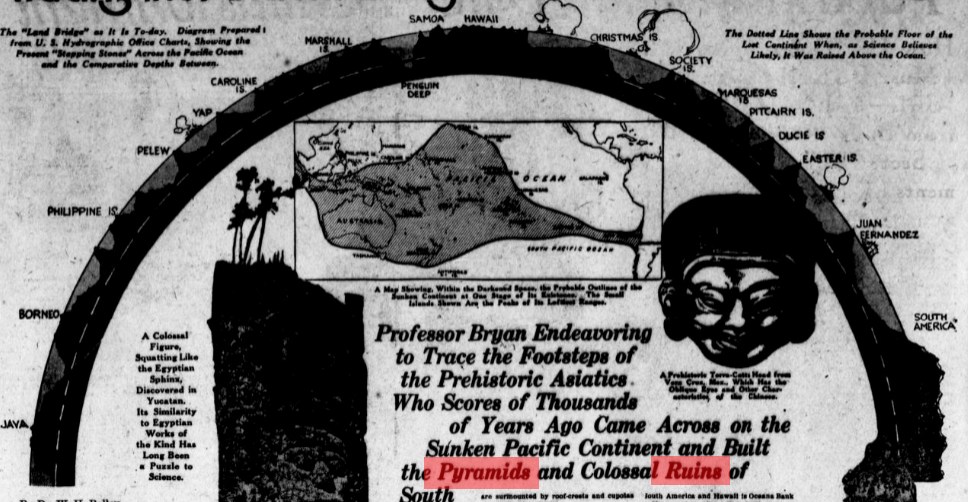
Tracing the Ancient Bridge Across the Pacific Ocean: Did a Lost Continent Connect Asia and the Americas?
Have you ever wondered how ancient civilizations in Central and South America developed striking similarities to those in Asia and Egypt—pyramids, sculptures, and even religious practices that seem too alike to be coincidence? What if the answer lies beneath the waves of the Pacific Ocean? In a fascinating theory from the early 20th century, Professor William A. Bryan of the College of Hawaii proposed the existence of a vast sunken continent that once bridged Asia and the Americas, allowing prehistoric migrations that shaped the world's great cultures. Drawing from biological, geological, and cultural evidence, this idea challenges our understanding of human history. Let's dive into the details.
The Spark of Discovery: Tiny Molluscs, Big Implications
It all started with a surprising find on the remote island of Juan Fernandez, off the coast of South America—famous as the setting for Robinson Crusoe. Professor Bryan, a zoologist and geologist, discovered fresh-water molluscs that closely resembled species from Hawaii, thousands of miles away across the Pacific. These tiny creatures couldn't have swam or floated across the ocean; they thrive in rivers and streams. The only logical explanation? A land connection must have once existed, allowing them to migrate along waterways.
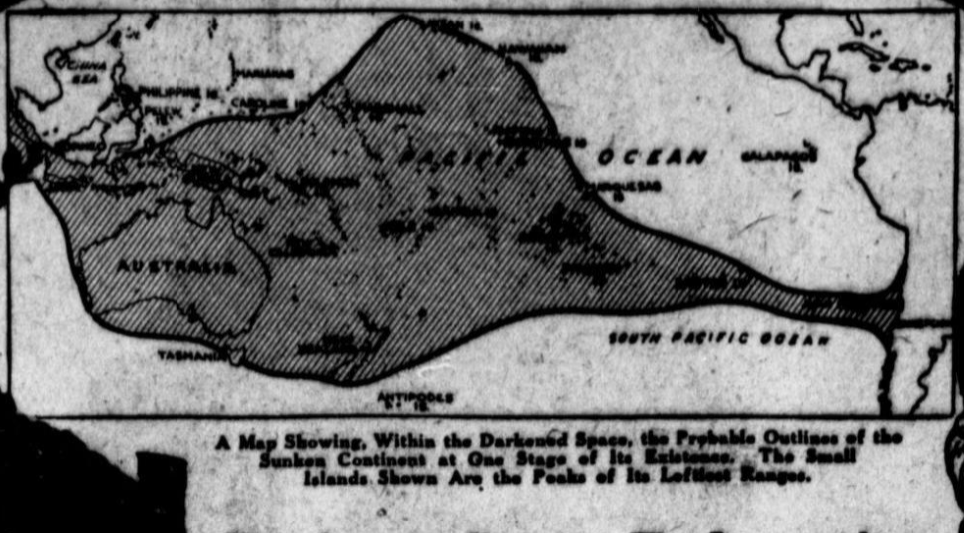
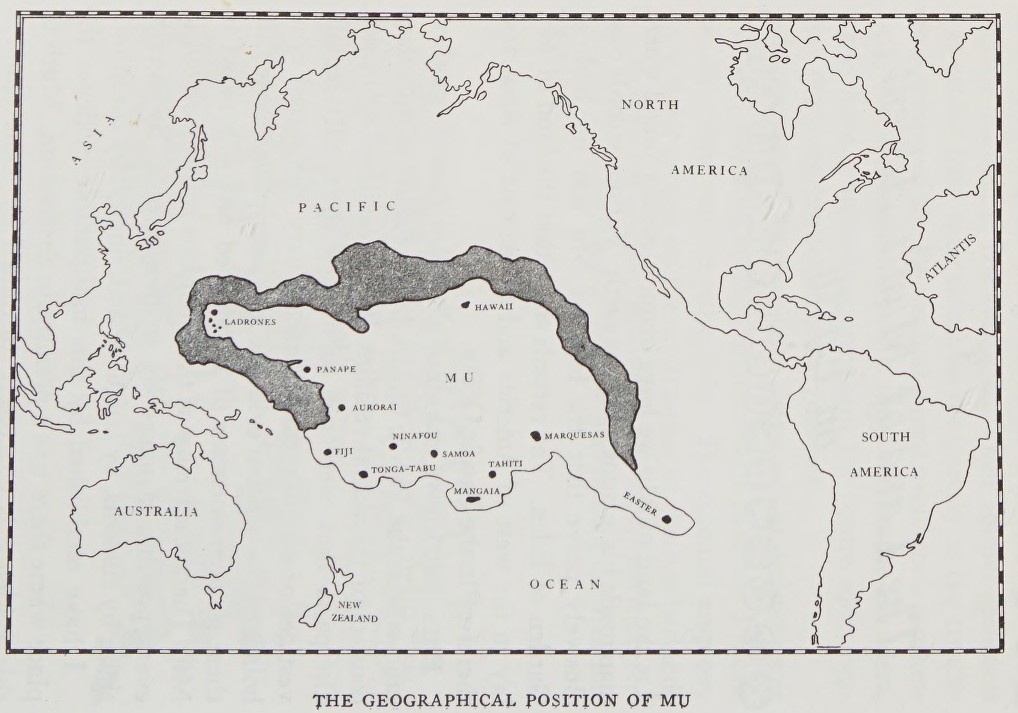
This "lost continent" wasn't some mythical Atlantis but a massive landmass that could have stretched from southeastern Asia, encompassing Australia, New Zealand, Java, and parts of the Malay Archipelago, all the way to the Hawaiian Islands and the west coast of South America. Islands like Hawaii and Juan Fernandez? They're just the tips of submerged mountains, remnants of this ancient world.
Geological Clues: A Sinking Land and Rising Mountains
Geological evidence supports this wild idea. Charles Darwin himself noted gradual subsidence in the Pacific, where land slowly sinks beneath the sea. Bryan pointed to U.S. hydrographic charts showing shallow water strips from Hawaii to the Marshall Islands, Carolines, and even to the Malay Archipelago—echoes of ancient land bridges. Another shelf runs southeast from Hawaii toward South America, including Juan Fernandez.
As this continent sank, it likely triggered massive upheavals: the rise of the Andes Mountains in South America and possibly the Rockies in North America. Halfway between Hawaii and South America lies Ocean Bank, a "drowned mountain" that's an extinct volcano just below the surface. Dr. J. W. Gregory, a geology professor, added that ancient rocks along Chile's coast suggest land once extended westward into the Pacific. This subsidence might date back to the Triassic period or later, at least 100,000 years ago, aligning with the formation of modern ocean basins.
Cultural Connections: Pyramids, Gods, and Wanderers from Asia
The real intrigue comes from the human story. If this land bridge existed, it could explain how prehistoric Asiatics crossed to the Americas, bringing ideas that evolved into the grand civilizations of the Mayas, Toltecs, Aztecs, and Incas. Forget the Bering Strait theory for a moment—while it explains North American tribes, it doesn't account for the advanced cultures south of Mexico, with their pyramids, arts, and legends eerily similar to those in Asia and Egypt.
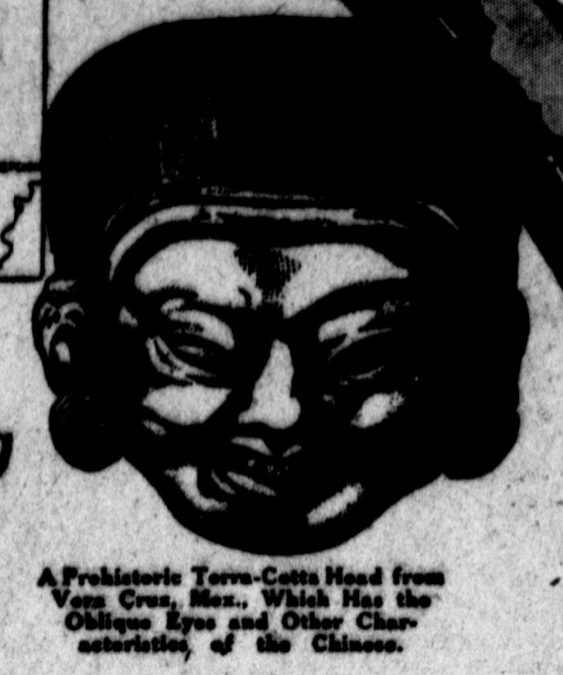
Professor W. H. Holmes of the Smithsonian Institution noted the "diversified and remarkable correspondences" between Middle American architecture and southeastern Asia. Both regions feature pyramids with steep stairways, serpent balustrades, and temples on top. Mayan sculptures often show snouted masks reminiscent of elephant trunks, slanted eyes with a Mongolian look, and whiskered figures on stone tables—echoing Cambodian ruins.
In Yucatan, pyramids like El Castillo at Chichen Itza rise 80 feet high, with four stairways guarded by massive serpent sculptures, much like ancient Babylonian or Egyptian designs. The Mayas turned entire hills into pyramids, crowning them with temples for human sacrifices, adorned with sculpted heads. Even gods and religious forms overlap, suggesting a shared origin.
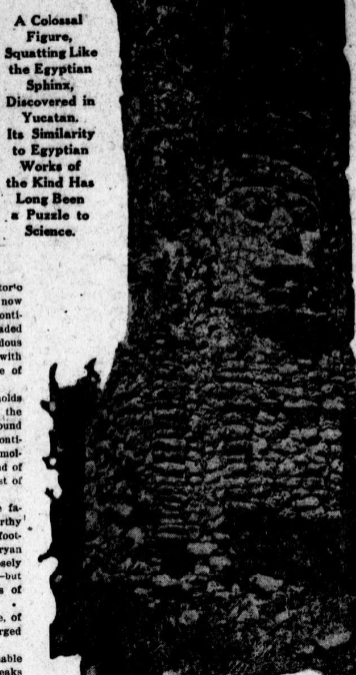
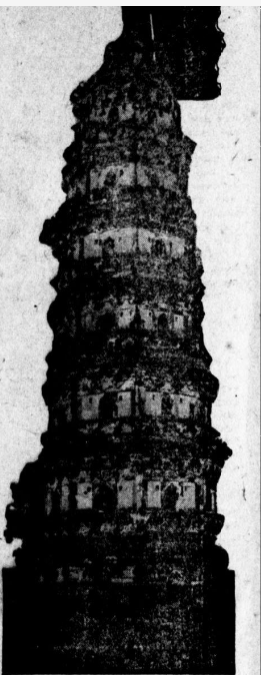
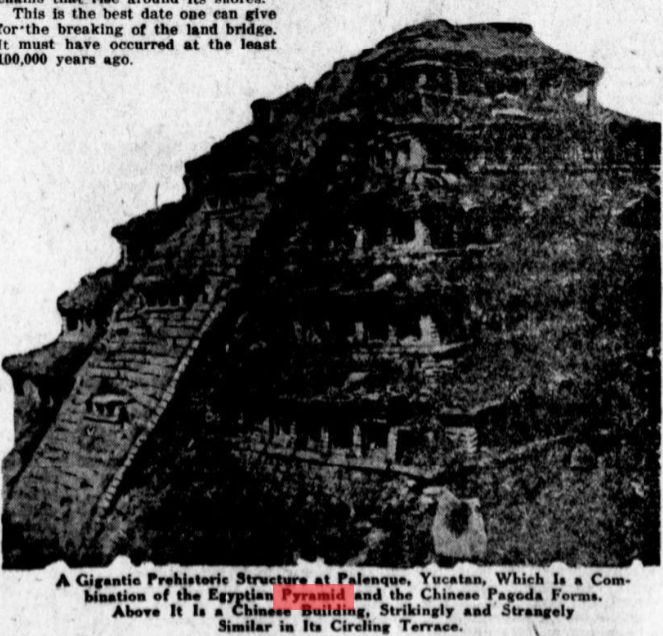
And the riddles don't stop there. Colossal squatting figures in Yucatan puzzle scientists with their Egyptian Sphinx-like poses. At Palenque, structures blend pyramid bases with pagoda-like terraces, strikingly similar to Chinese buildings.
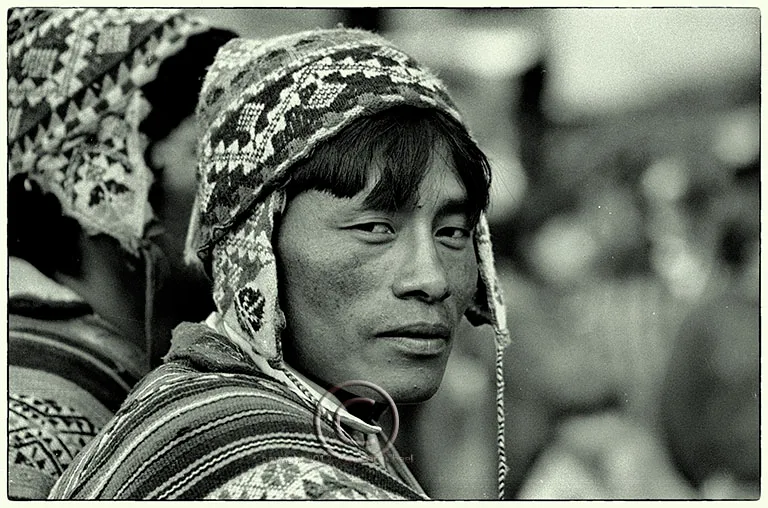
Peruvian Indians, too, show perplexing Asiatic resemblances in features and culture, as if their ancestors fled a cataclysm and split across the ocean.
Animal Migrants: Monkeys, Bears, and Jaguars
It's not just people—animals tell the tale. Tropical American monkeys could have wandered from southern Asia via the bridge. South American bears resemble Asian ones, and the jaguar mirrors the Old World leopard. These similarities bolster the idea of a connected landmass.
Wrapping Up the Mystery
Bryan's theory, sparked by those humble molluscs, offers a compelling solution to one of history's great puzzles: how did advanced civilizations bloom in the Americas with such Asian flair? While not proven, the evidence from biology, geology, and archaeology paints a picture of a world where continents weren't as isolated as we think. Could this sunken bridge be the key to our shared human story? As science advances, who knows what secrets the Pacific depths might reveal next.
What do you think—fact or fantasy? Share your thoughts in the comments!
Gallery
Discussion (0)
Please sign in to join the discussion
No comments yet. Be the first to share your thoughts!