Herodotus’s Babylon: From Ancient Tale to Archaeological Truth
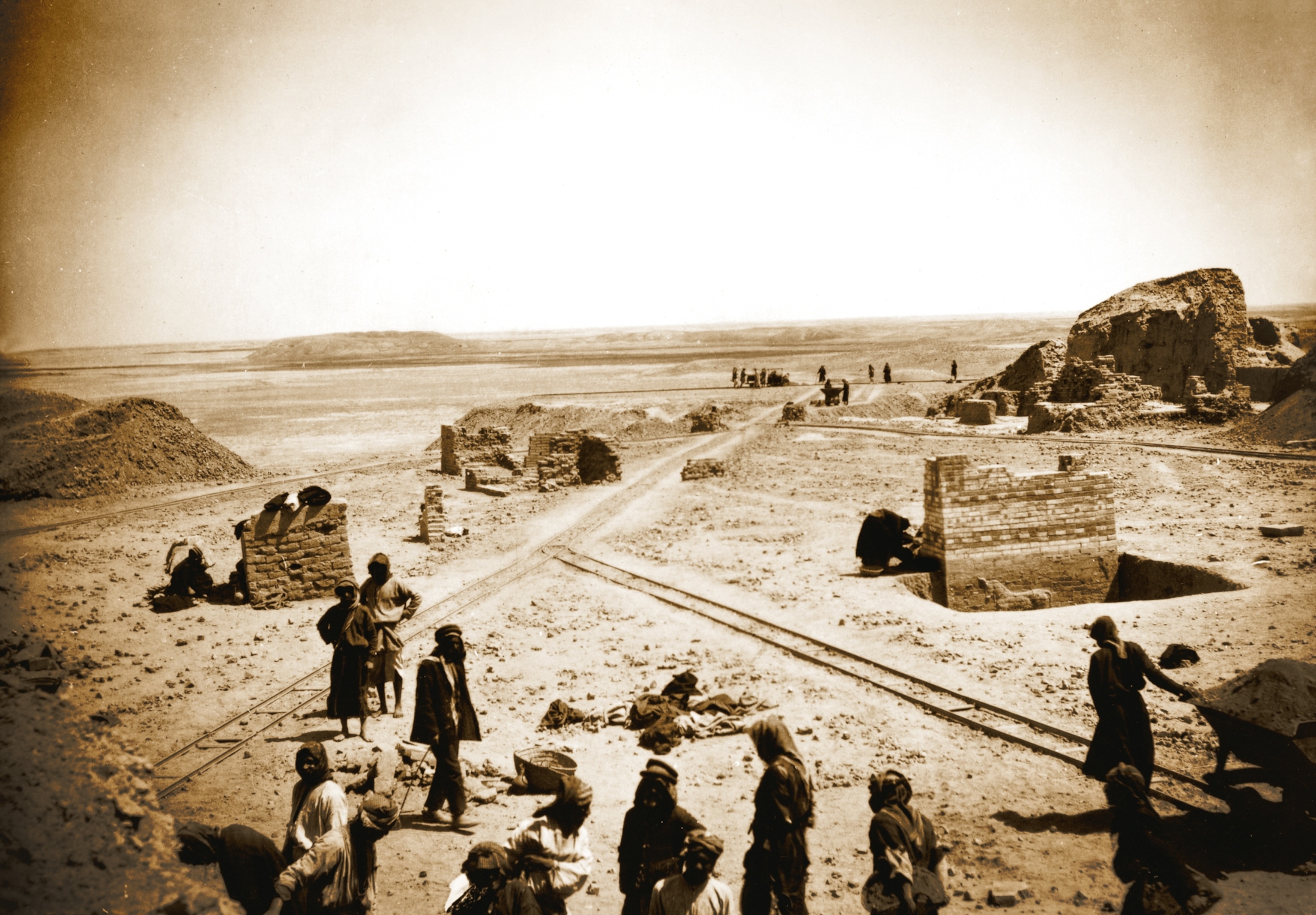
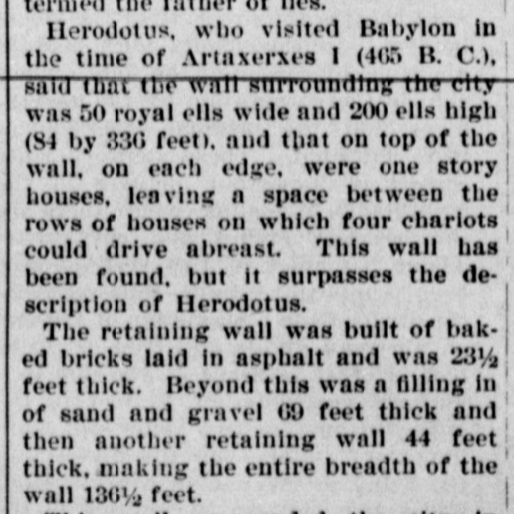
For centuries, the city of Babylon existed somewhere between myth and memory. When Herodotus, the Greek historian, visited Mesopotamia around 465 B.C., he described a city so vast and awe-inspiring that later generations doubted it ever truly existed. Its colossal walls, majestic temples, and soaring towers became the stuff of legend—a fabled city lost to time.
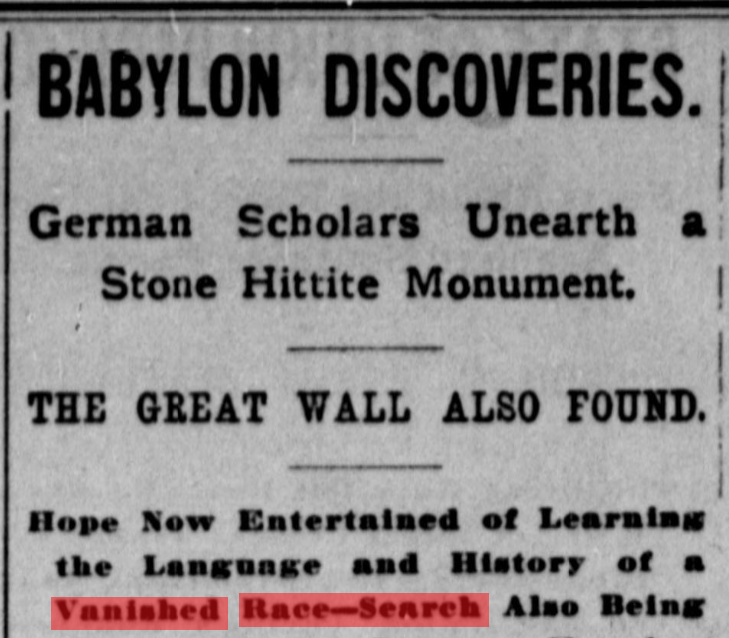
That ancient mystery began to unravel in the early 1900s, when archaeologist Dr. Robert Koldewey led a groundbreaking excavation in modern-day Iraq, uncovering the buried heart of Babylon and proving that the legend was rooted in astonishing reality.
Excavating the Lost Metropolis
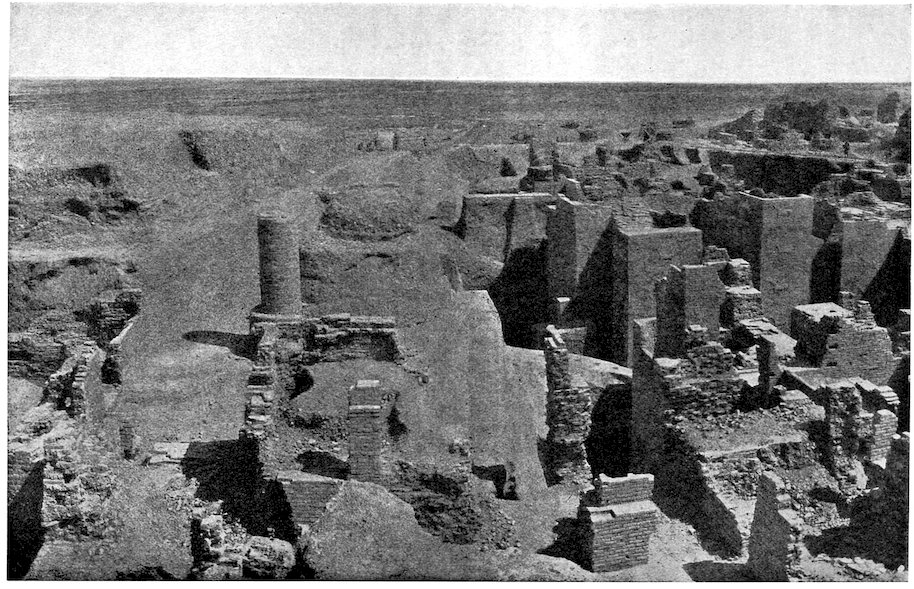
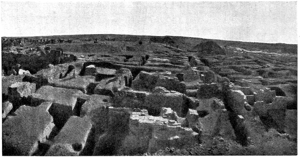
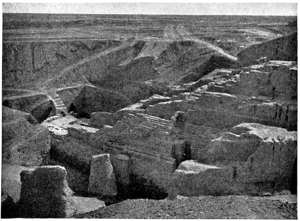
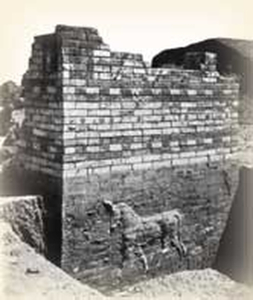
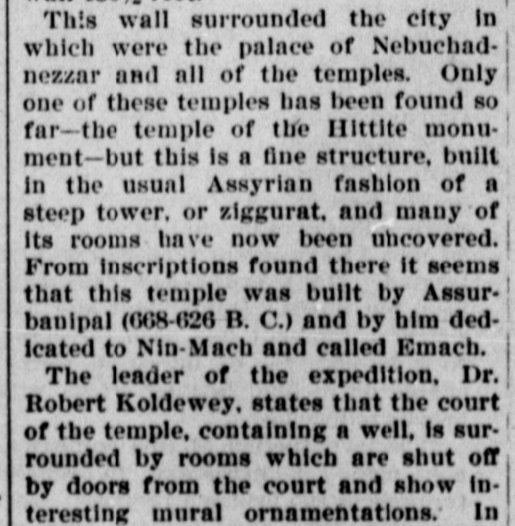
Starting in 1899, Koldewey and his team unearthed evidence of Nebuchadnezzar II’s monumental city—confirming that Babylon had once stood at the center of the ancient world. The city’s fortifications revealed breathtaking craftsmanship: baked brick walls 23 feet thick, supported by sand and gravel embankments nearly 70 feet wide, and reinforced by an inner brick wall 44 feet thick. Together, they created an immense 136-foot-wide defensive barrier—a feat of engineering unmatched in its day.
While Herodotus’s measurements of 200 ells high may have been exaggerated, the truth was no less impressive. Babylon had truly possessed walls worthy of a world wonder.
The Temple of Ninmach: Legacy of Stone and Clay
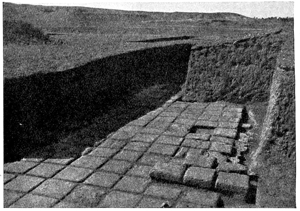
Among Koldewey’s discoveries stood the temple E-mah, dedicated to the goddess Ninmach, meaning “Exalted Lady.” This temple, dating to the reign of Assurbanipal (668–626 B.C.), featured intricately decorated chambers, walled courtyards, and a remarkable double-tiled floor separated by a six-foot cavity—possibly an early attempt at ventilation or sacred storage.
The most revealing treasures weren’t the walls but the hundreds of clay tablets found within: payroll records inscribed with the names and wages of workers employed during the reigns of Nebuchadnezzar II and Evil-Merodach. These tablets brought everyday life in ancient Babylon vividly to light—proof of a structured economy and state-backed temple labor.
When Myth Meets Reality
Herodotus’s Babylon may have been wrapped in exaggeration, but it was far from fiction. Koldewey’s discoveries showed that the ancient accounts described not a fantasy, but a tangible city of extraordinary scale and sophistication.
The legend of Babylon reminds us that myth often preserves the memory of truth, gilded by time and imagination. The stones that once formed its towering walls still whisper of a civilization that sought to touch the heavens and succeeded—if only for a moment.
Gallery
Discussion (0)
Please sign in to join the discussion
No comments yet. Be the first to share your thoughts!