Discovering America's Ancient Past: The Groundbreaking 1848 Smithsonian Publication on Mound Builders
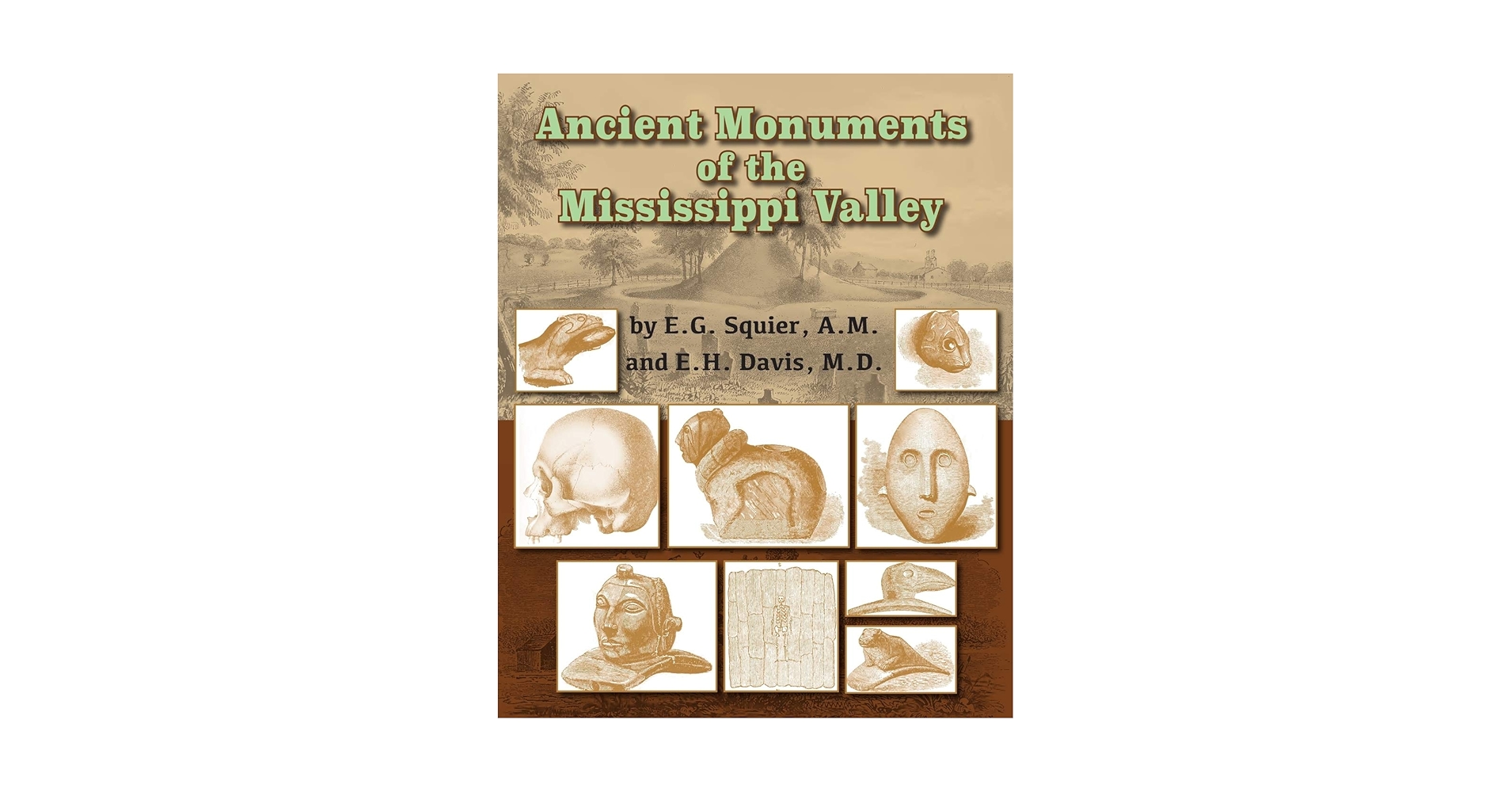
In the mid-19th century, a remarkable book changed how we view North America's prehistoric inhabitants. The Smithsonian Institution's first major publication, Ancient Monuments of the Mississippi Valley by Ephraim G. Squier and Dr. Edwin H. Davis, unveiled stunning discoveries from the Mississippi Valley, especially Ohio.
This 1848 volume fulfilled James Smithson's vision to increase and spread knowledge. It detailed years of fieldwork on mysterious earthworks and mounds built by ancient Indigenous peoples, now known as the Hopewell and Adena cultures.
Who Were the Explorers?
Dr. Edwin H. Davis lived in Chillicothe, Ohio, for 15 years, collecting relics from mounds. When E. G. Squier, a skilled surveyor and draughtsman, joined him, they systematized the effort. For three years, they employed laborers, excavated carefully, and documented everything with precision.
Their work produced over 200 mound excavations and surveys of more than 100 massive earthworks.
Key Discoveries from the Mounds
The duo excavated over 200 mounds of all sizes, carefully digging to the center and preserving finds. They uncovered thousands of artifacts showcasing advanced ancient craftsmanship:
Ornaments and tools in silver, copper, lead, stone, ivory, and pottery.
Intricate sculptures of birds, animals, reptiles, and human heads carved from hard stones like porphyry.
One intact skull stood out among fragments, offering rare insight into the builders' physical traits.
Trade networks amazed them: obsidian from Mexico, copper and lead from the Great Lakes, marine shells, whale teeth, and beautiful pearls from distant coasts.
The Monumental Earthworks
The massive earthworks impressed most—enormous enclosures spanning miles, some as large as New York City, and fortified sites with sophisticated designs that could inspire modern engineers.
The iconic Serpent Mound, a 1,200-foot effigy of a serpent swallowing an egg, stood out.
How Ancient Were These Wonders?
Trees as old as surrounding forests grew atop the structures when Europeans arrived. Landscape changes suggested ages in thousands of years.
Squier and Davis noted cultural parallels: the serpent-and-egg motif linked to Egyptian and Indian mythology, hints of Druidical rites, and traces of ancient phallic worship.
The Book Itself
This quarto tome exceeded 500 pages, with hundreds of wood engravings and 70 detailed lithographic plans. It launched American archaeology and sparked debates about the mound builders' origins and connections.
Today, we recognize these as works of Native American ancestors, not lost races or Old World migrants. Yet this 19th-century announcement captured the era's excitement over unlocking America's deep history.
What hidden wonders might still await discovery in our own backyards?
Discussion (0)
Please sign in to join the discussion
No comments yet. Be the first to share your thoughts!