8 foot Giant: Once Displayed in Indiana's Statehouse Museum!
Indiana's Giant Chieftain: A Lost Treasure from the State Museum
Indiana stands as a quiet powerhouse in America's prehistoric puzzle, crisscrossed by ancient earthworks and mounds that have yielded some of the Midwest's most striking archaeological remains.
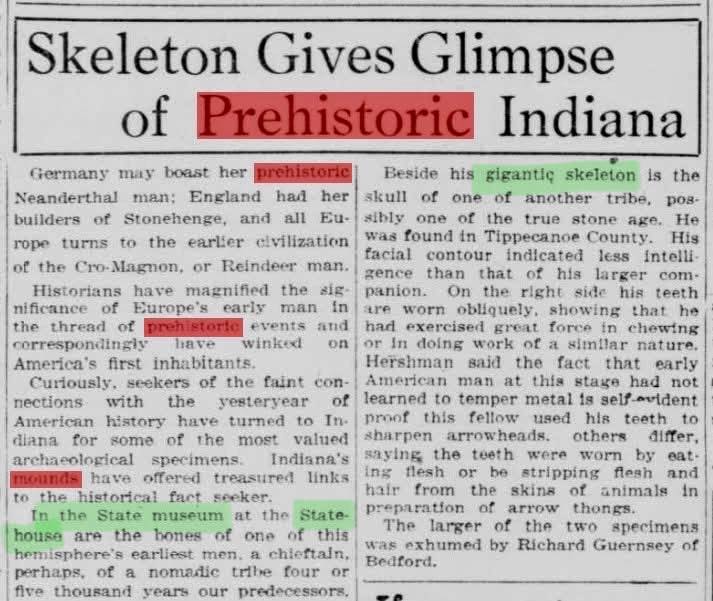
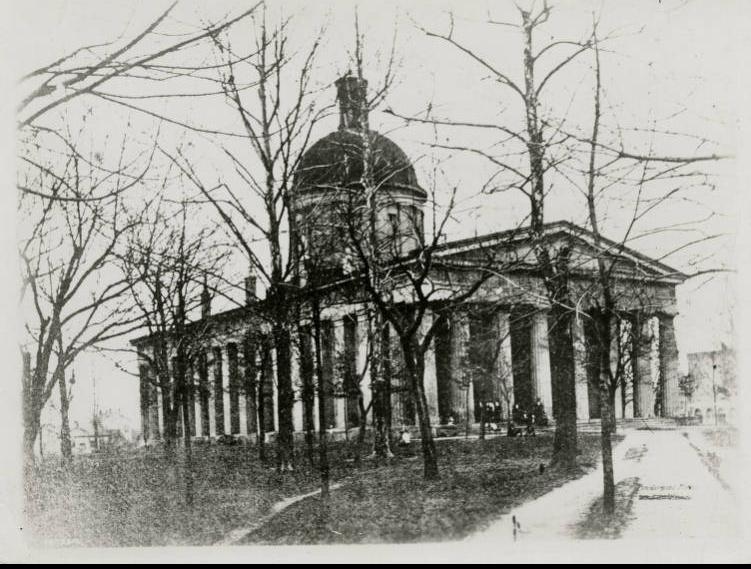
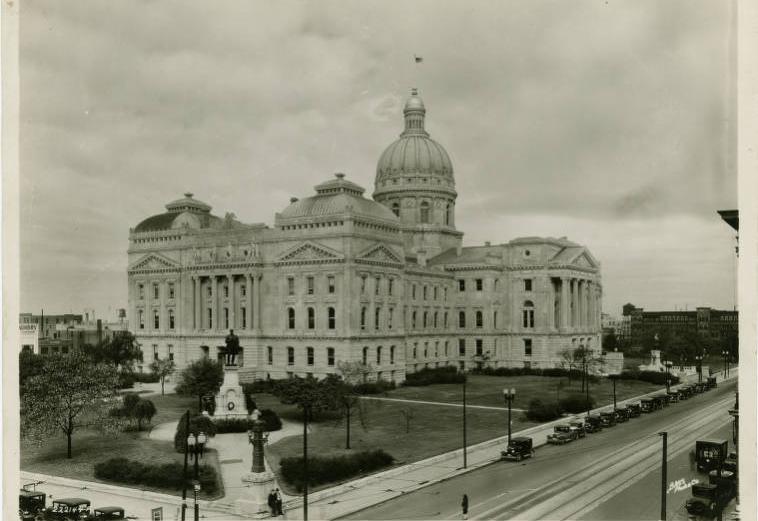
Among those once displayed at the Indiana State Museum—housed in the historic Statehouse in Indianapolis—was the towering skeleton of a man nearing eight feet tall. Unearthed by local excavator Richard Guernsey of Bedford from a square, stone-lined enclosure in Guthrie Township, Lawrence County, the remains came from thin limestone slabs forming a deliberate grave, dated to 4,000–5,000 years ago.
This "giant chieftain," as he became known, loomed over his nomadic band—his tribesmen large but dwarfed by their leader. Perfectly preserved teeth and an unusually robust skull suggested exceptional strength and intellect for his time. His legs, massively built, pointed to a life of constant travel across the ancient heartland, while proportionally slimmer arms and shoulders implied a shift to leadership over manual labor.
The bones drew intense study from William H. Hershmann, a respected curator and early 20th-century archaeologist at the Indiana State Museum. Hershmann, who specialized in Midwest prehistoric collections during the museum's formative years, argued this figure predated known Native American groups, marking him as one of the continent's earliest documented inhabitants. Under his care, the skeleton became a centerpiece exhibit, drawing scholars and locals alike to the Statehouse, where the museum curated artifacts from Indiana's mound-rich counties amid growing debates over ancient migrations and lost cultures.
Intrigue deepened with physical clues: the chieftain's left arm showed a healed fracture, evidence of a body tough enough to recover without surgery. Beside him rested a second skull from Tippecanoe County, likely from a different, more primitive people—its facial structure coarser, teeth worn at an angle from using them as tools to sharpen stones or strip hides, hinting at a raw Stone Age existence.
Tragically, like many early finds, the giant's bones vanished from records over time—possibly lost, destroyed, or reburied amid shifting museum policies and ethical standards for Native remains. Yet Guernsey's excavation and Hershmann's analysis endure as one of Indiana's most compelling mound stories, whispering of oversized leaders who once commanded reverence in earth and stone.
[Watch my video Ancient Mysteries of Indiana for maps, mound details, henges, and more on Indiana giants]
What do you think of this eight-foot chieftain—elite warrior, genetic outlier, or sign of something older? Share your take in the comments below.
Gallery
Discussion (0)
Please sign in to join the discussion
No comments yet. Be the first to share your thoughts!